The Michelin Guide to Spain and Portugal 2015 is fast approaching and we’ll keep you updated with the results of the Michelin Starred Restaurants in Spain for 2015! In the meantime, over the next few days we’ll be showcasing some of the Best Michelin starred Chefs in Spain, if not the World, with our own Pre-Michelin Guide Spain 2015 SuperChef Series by Gourmand Breaks – An insight into the world of some of the current Michelin 3 star and Michelin 2 star chefs in Spain! First off, and in no particular order, a chef shooting for that 3rd Michelin star in 2015 with 2 contenders:

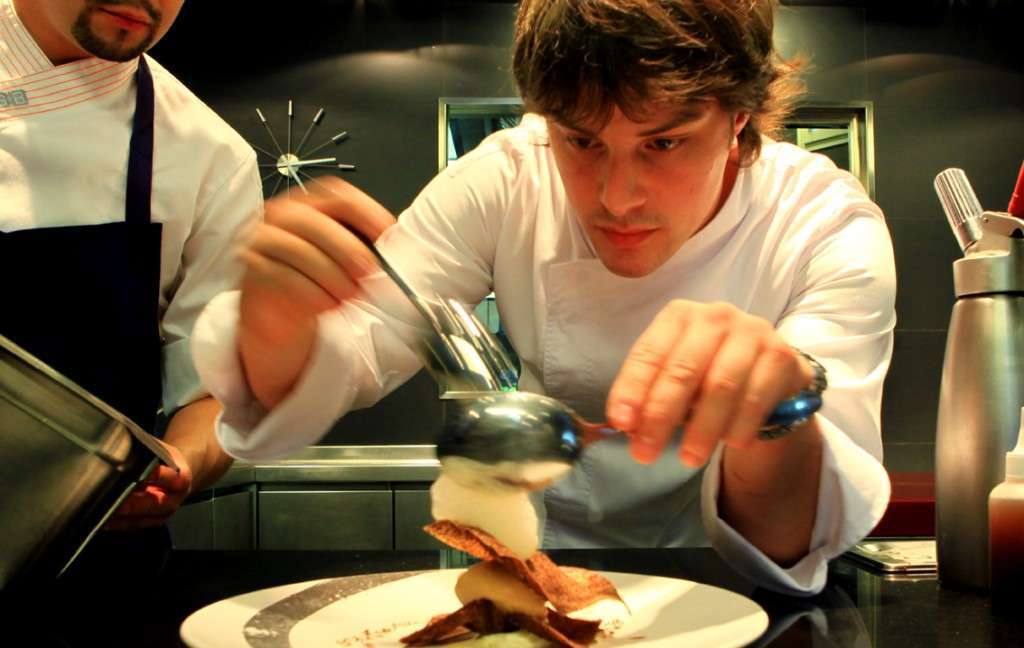
Paco Pérez – Recognized with five Michelin stars (two at Enoteca restaurant in Barcelona, two at Miramar in Llançà and one at restaurant “5”  in Berlin), his innovative cuisine reflects the essence of the Mediterranean Sea with cooking based on tradition and high quality local Spanish produce.  To be enjoyed on one of our Private Food, Wine and Cultural Tours :)
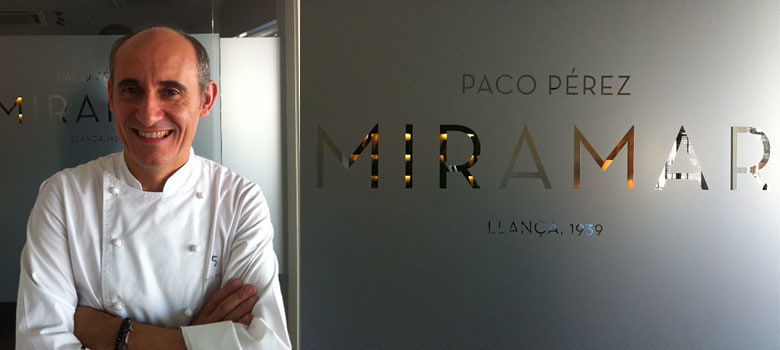
Paco Pèrez - Miramar

Paco Pérez was born in Huelva but at just 6 months old his family moved to Llançà in Girona, a small fishing village on the Spanish North Costa Brava coast, where he subsequently grew up.

At age 12, Paco Pérez discovered his passion for cooking when he started helping out, at weekends and in the holidays, at the tapas bar owned by his family in Llançà. He then combined his studies with summer jobs in various local restaurants.

After finishing his studies Paco Pérez worked in diverse local restaurants and even went to France to train alongside one of the founders of “nouvelle cuisine” Michel Guèrard. But what most probably set Paco Pérez on the culinary Superchef path was when he returned to Catalonia and joined Ferran Adrià at El Bulli in 1993.  Here, and over 5 years, he took various courses and placements and acquired much of his philosophy of pioneering techno-emotional cuisine.

In 1997 Paco Pérez married Montse Serra, daughter of the owners of the Miramar Hotel-Restaurant on the seafront promenade of Llançà, Girona, Spain and together, keeping it in the family, they embraced the development of the Miramar. After three years of producing modern Catalan cuisine, during just the summer season, they decided to up the stakes and open all year round in the hope of turning this place into a landmark restaurant in the world of pioneering cuisine.
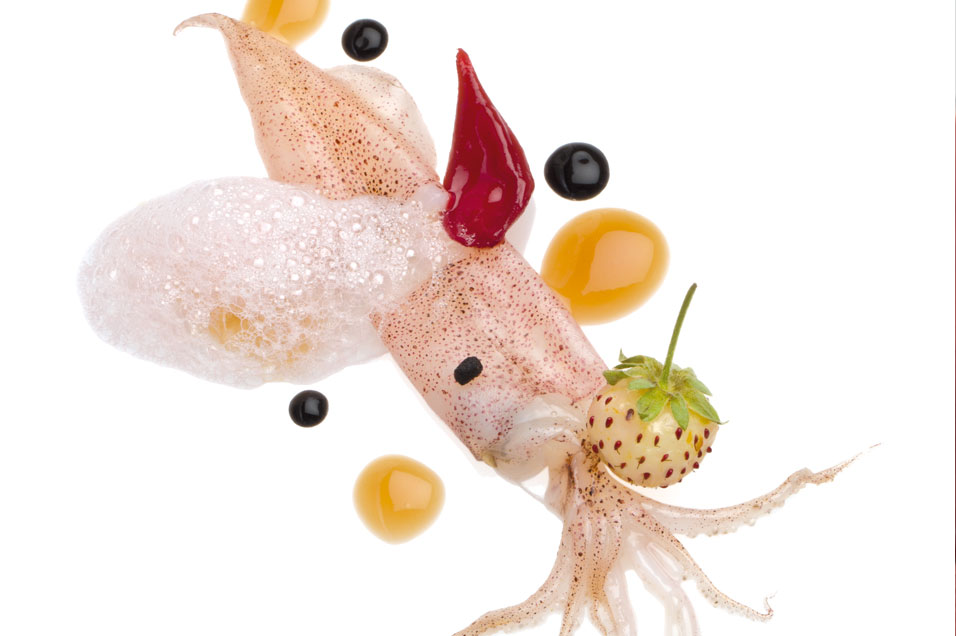
Chipirones - Miramar


Paco Pérez, together with his wife, managed to gradually convert the Miramar from the past traditional restaurant of a hostal, first opened in 1939, into the avant-garde cuisine restaurant that it is today. Betting on traditional and local cooking using high quality products from an ideal environment Paco Pérez’s talent, technique and innovative twists on traditional seafood dishes have earned the Miramar its current two Michelin stars (2006 and 2010).

Also for Paco Pérez in the Michelin 2* Restaurants List for Spain 2014 is:

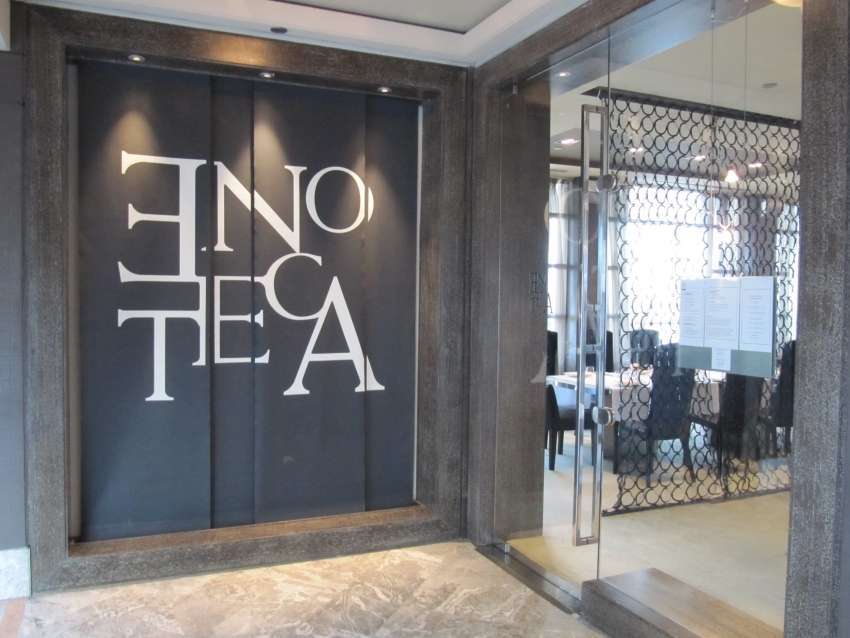
Enoteca Restaurant in Barcelona

Paco Pérez spreads the heart and soul of contemporary Mediterranean cuisine by bringing the essence of the Miramar and its culinary philosophy, with an emphasis on fish and seafood, to the luxurious 5* Hotel Arts in Barcelona. His guidance at Enoteca, for contemporary cuisine with a traditional base, top quality ingredients and excellent attention to detail,  has led to it receiving two Michelin stars since the 2013 Michelin Guide.

Michelin 2 star restaurant Enoteca offers a contemporary classic Mediterranean cuisine with outstanding quality and imagination and a wine cellar that features more than 500 types of wine.
Paco Pérez is not the only Superchef with a restaurant at the Hotel Arts in Barcelona. Sergi Arola, of Michelin 2* Restaurant Sergi Arola Gastro (Madrid) fame, showcases innovative tapas style traditional Mediterranean cuisine at “Arola”.  Sergi is a disciple of Ferran Adrià and Pierre Gagnaire.

Also by PACO PÉREZ:

Restaurant 5Das Stue 5* Hotel (Berlin)

This Michelin 1 star restaurant is the extension of the Miramar Restaurant into Germany. It is named after Paco Pérez’s focus on the five senses, and also a reference to the five fingers of the hand, because the kitchen produces pioneering works of culinary art.

Mirror RestaurantThe Mirror Hotel (Barcelona)

One of the best restaurants in Spain for luxury rice and seafood dishes,  in the heart of Barcelona.

L’EGGS Restaurant by Paco PérezPasseig de Gràcia (Barcelona)

The first gastronomic themed restaurant in Barcelona featuring eggs as the star dish. A fun and casual restaurant offering eggs in all their formats.

La Royale RestaurantUptown Barcelona

Upscale hamburgers in uptown Barcelona.  La Royale presents a revolution of the concept of a hamburger in the city, with signature ideas and the best refreshing gin and tonics.

Black Restaurant – Uptown Barcelona

The cosmopolitan Manhattan-esque cocktail lounge at La Royale. Offering the signature Burgers of La Royale as well as the best vodka & tonics and a great champagne collection.


With Spanish Chefs taking the World by storm, now is the time to visit Spain, home to 10% of the World’s Best Restaurants and numerous Michelin starred Restaurants!  On one of our Private Food, Wine and Cultural Tours you can indulge in the Best Michelin Starred Restaurants in Spain.  Contact us for your personalized quote.
 

Spain is a big country enjoying diverse cuisine, culture and scenery. From North to South, with a fantastic climate, fresh local produce is grown on the land and great wine is lovingly made from the vines. It’s no surprise, therefore, that with Good Food and Fine Wine Superchefs abound here! Love Food? Love Wine? Love Spain!

With the recent publication of the World’s Best 100 Restaurants for 2014, Spain is home to 10% of the acclaimed list.  But, that’s not all!  When the Michelin Stars Awards for 2014 were announced, Spain was left sparkling with 8 Michelin 3* Restaurants, 17 Michelin 2* Restaurants and well over a hundred Michelin 1*Restaurants.

If you love Good Food and Fine Wine, what are you waiting for? Spain is the Foodie place to be!

So, with 10% of the World’s Best Restaurants being in Spain, who’s placed where on the prestigious World’s Best 100 Restaurants List?

Nº 2. El Celler de Can Roca. Girona, Spain  Last year’s Nº1 and home to the Best Pastry Chef in the World 2014 – Jordi Roca

Nº 6. Mugaritz. Errenteria, Spain

Nº 8. Arzak. San Sebastián, Spain

Nº 26. Azurmendi. Larrabetzu, Spain Winner of the Sustainable Restaurant Award for 2014

Nº 34. Asador Etxebarri. Atxondo, Spain

Nº 35. Martín Berasategui. Lasarte, Spain

Nº 41. Quique Dacosta. Denia, Spain.

Nº 57. Tickets – Barcelona, Spain 

74. 41 Grados – Barcelona, Spain 

Nº 94. Diverxo – Madrid, Spain 

Celler de Can Roca

And, as for Michelin Star Restaurants in Spain? Take your pick:

The Eight Michelin 3 Star Restaurant Wonders in Spain for 2014 (in alphabetical order) are:

Akelarre. Pedro Subijana (Guipúzcoa)

Arzak. Juan Mari Arzak (Guipúzcoa)

Azurmendi. Eneko Atxa (Vizcaya)

DiverXo. David Muñoz (Madrid)

El Celler de Can Roca. Joan Roca (Girona)

Martín Berasategui (Guipúzcoa)

Quique Dacosta (Alicante)

Sant Pau. Carme Ruscalleda (Barcelona)

Michelin 2 Star Restaurants in Spain for 2014 (in alphabetical order):

Abac. Jordi Cruz (Barcelona)

Atrio. Toño Pérez (Cáceres)

Calima. Dani García (Marbella)

Casa Marcial. Nacho Manzano (Asturias)

El Club Allard. Diego Guerrero (Madrid)

El Portal. Francis Paniego (La Rioja)

Enoteca. Paco Pérez (Barcelona)

La terraza del Casino. Paco Roncero (Madrid)

Lasarte. Martín Berasategui. (Barcelona)

Les Cols. Fina Puigdevall (Girona)

M.B. Martín Berasategui (Santa Cruz de Tenerife)

Miramar. Paco Pérez (Girona)

Moments. Raül Balam (Barcelona)

Mugaritz. Andoni Luis Aduriz (Guipuzcoa)

Ramón Freixa (Madrid)

Santceloni. Óscar Velasco (Madrid)

Sergi Arola Gastro (Madrid)


There are so many Michelin 1* Restaurants in Spain, here is the Complete List


With Spanish Chefs taking the World by storm, now is the time to visit Spain with 10% of the World’s Best Restaurants and numerous Michelin starred Restaurants!  On one of our Private Food, Wine and Cultural Tours you can indulge in the Best Michelin Starred Restaurants in Catalonia, Madrid and The Basque Country.  Contact us for your personalized quote.
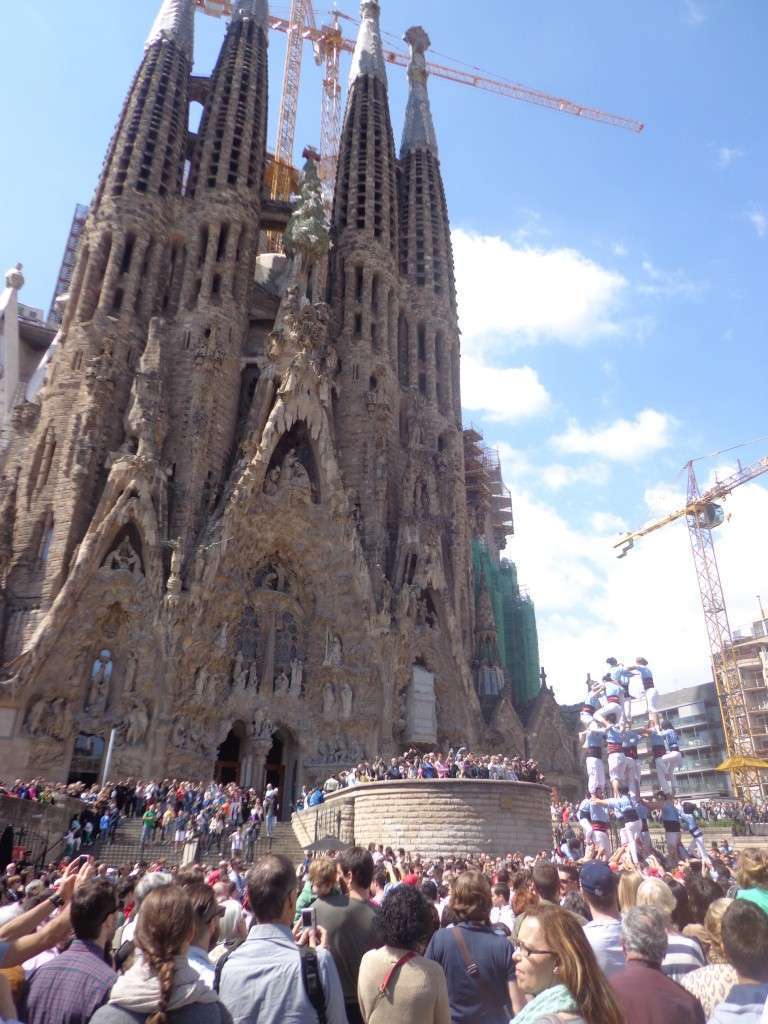
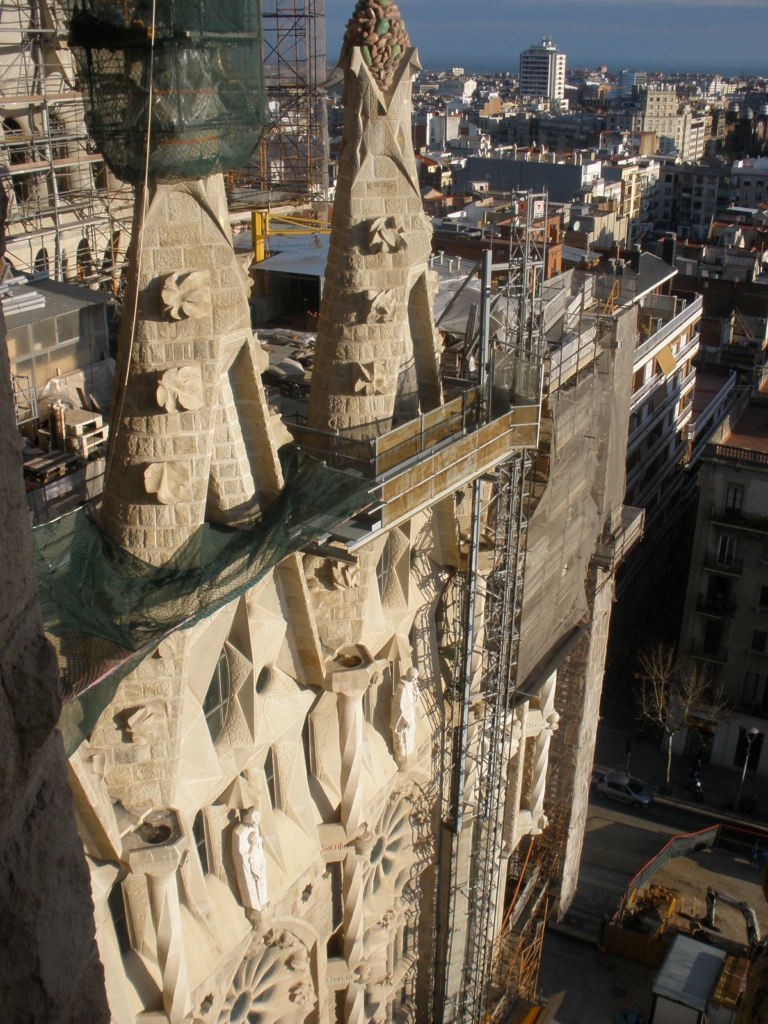
The incredible Sagrada Família Church, if you haven’t heard of it, is a giant Basilica in the center of Barcelona, Spain  It is a work on a grand scale and is not expected to be completed for another 30 to 80 years!  Barcelona’s skyline is accustomed to the somewhat weird mix of old spires and modern cranes that envelope the Sagrada Família.  It will seem strange if one day the invasive, yet accepted, cranes disappear from Antoni Gaudí’s unfinished Barcelona symphony!

Construction on La Sagrada Família,  Barcelona, began in 1882 and at the end of 1883 Antoni Gaudí was commissioned to carry on the works, which subsequently occupied his whole life right up until his death in 1926.   He played an active role in directing the construction of the Sagrada Família and often requested that work be modified and adjusted until it was exactly the way he wanted it, according to the vision he had in his mind.

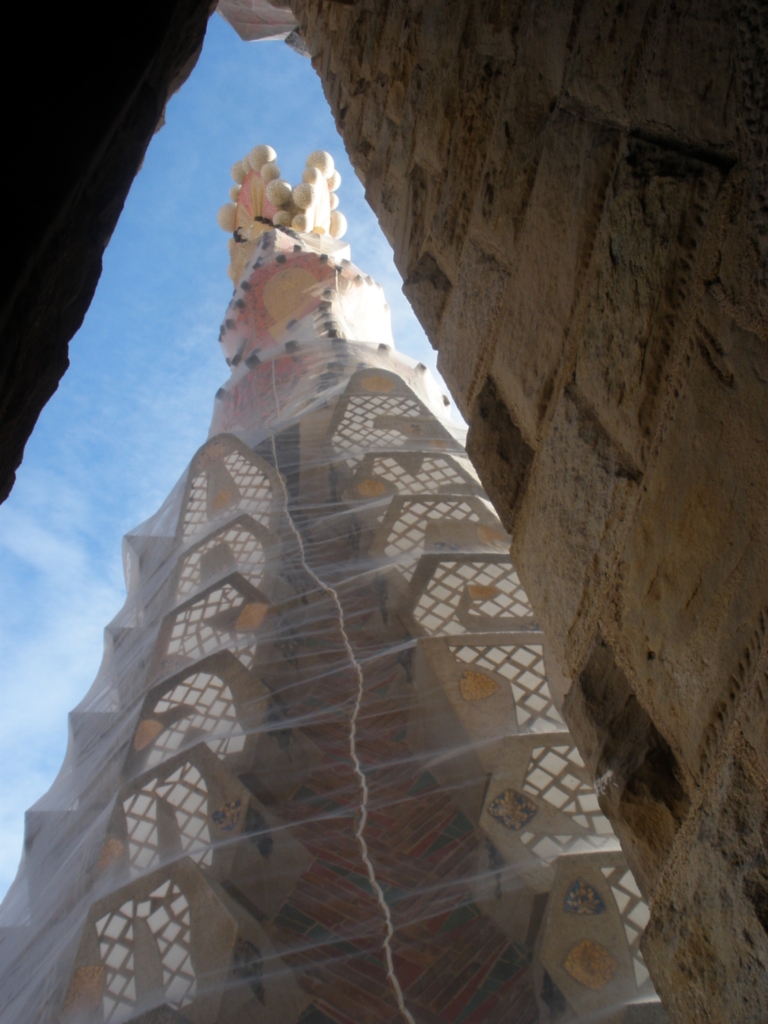
In 1892 Gaudí began work on the foundations of the East facing Nativity Façade of La Sagrada Família.  After 1914, Gaudí submitted his work exclusively to the Sagrada Família and on November 30th, 1925, the construction of the first bell tower of the Nativity Façade, dedicated to St Barnaby, was finished, rising a 100 meters high.   This is the only one that Gaudí lived to see built.  Antoni Gaudí died on the 10th of June 1926 as a result of a tragic accident in Barcelona, that had occurred three days earlier, when he was run over by a tram.  On the 12th of June Antoni Gaudí was buried in the Carmen Chapel of the crypt of La Sagrada Família, where his remains still lie today.

Sagrada Familia, Barcelona

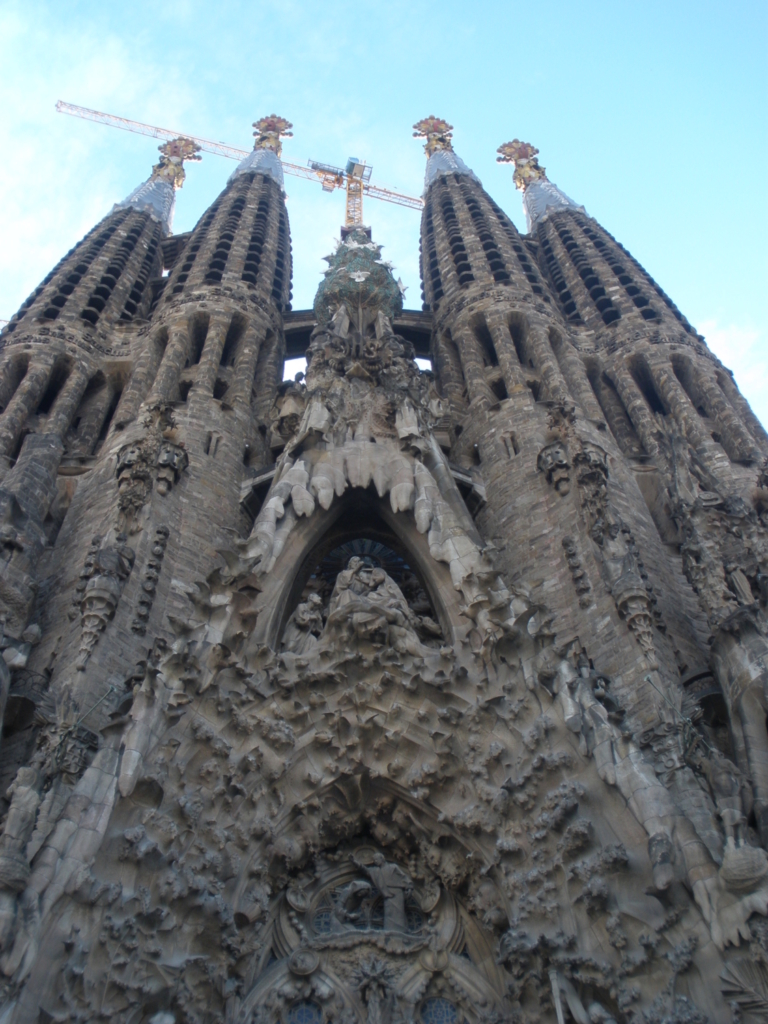
 The Nativity Façade of La Sagrada Família celebrates the birth of Jesus the Messiah, the Son of God.  It is also referred to as the Façade of Life, Joy or Christmas and is elaborately adorned with references to the joy of life, such as flowers and animals, on and around its three entrances:

–  The Portal of Faith is devoted to the theological virtue of faith and to Mary.

– The Portal of Hope is devoted to the theological virtue of hope and to Joseph.

– The Portal of Charity is devoted to the theological virtue of Christian charity or love and to Jesus.

In 1911 Gaudí planned the West facing Passion Façade and in 1923 the definitive solution to the naves and roofs.  The works advanced slowly, though, and Gaudí was recorded as saying:

“There is no reason to regret that I cannot finish the church. I will grow old but others will come after me. What must always be conserved is the spirit of the work, but its life has to depend on the generations it is handed down to and with whom it lives and is incarnated”.

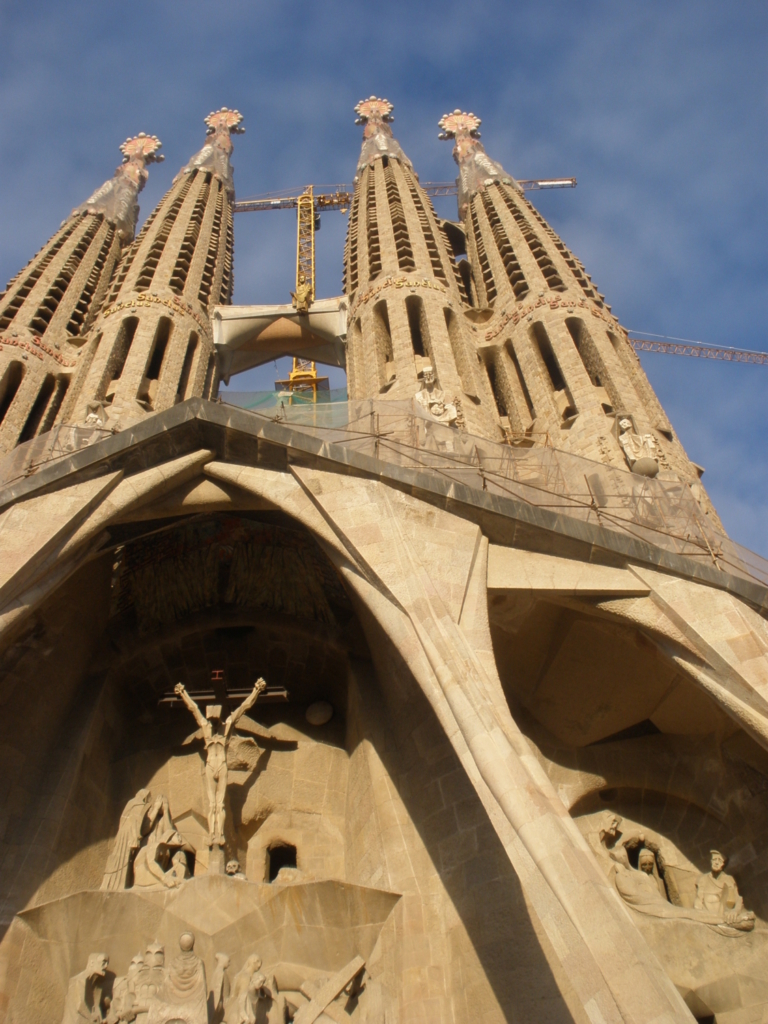
The Passion Façade of La Sagrada Família, representing the Passion of Jesus, depicts the pain, sacrifice and death suffered by Jesus, and is expressed in highly dramatic and emotionally intense groups of sculptures.  As the façade faces west it receives the last rays of the day’s sun hence heightening the symbolic effect of the darkness and shadows that haunted Antoni Gaudí.  Like the other façades, it has three entrances, dedicated to charity, hope and faith, and four bell towers.  This façades’ towers are dedicated (from left to right) to the apostles St James the Less, St Bartholomew, St Thomas and St Philip.  The sculptures on the Passion Façade stand out as they contrast against their background being ornament free and composed of simple forms.  In this way Gaudí wanted to symbolize the desolation, the pain and the death of Jesus Christ with a dramatic doorway illustrating the sacrifice made by Jesus for mankind.

Passion Façade, Sagrada Familia

The South facing Glory Façade is still under construction and, when finished, will be the main entrance to the church.  Gaudí included the construction of a great exterior flight of steps, in the project, to provide a solemn access to the Sagrada Família.

Since Gaudí’s death, different architects have continued the work of the Sagrada Família based on Gaudí’s original ideas.  However today, because of the nature of the existing designs, his work is partly open to interpretation and leads to much controversy – be it the new construction materials which, some feel, Gaudí himself would not have used, or the present day architects’ interpretation of the original designs, unacceptable for many Gaudí fans.  Regardless of all the controversy surrounding the Sagrada Família it is a truly magnificent building and an absolute must-see when you visit Barcelona.

Sagrada Familia

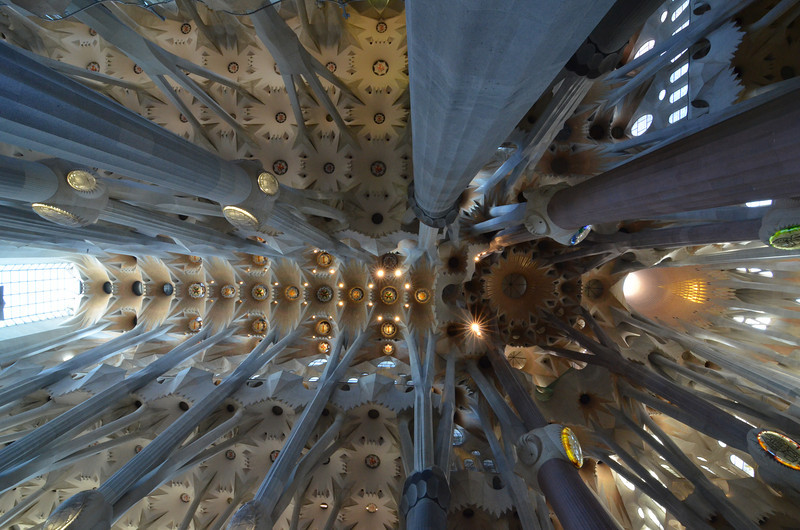
With all that is featured on the outside, of this magnificent masterpiece, it is hardly surprising that the inside is as spectacular as you would imagine.  But, we’re not going to give too much away, you need to experience this wonder for yourself while in Barcelona, but the interior looks like a forest of beautifully designed trees.  The ornate trunks, branches and clusters of leaves are all visible in this forest of columns where, as the light seeps through the windows, a sensation of woodland and vegetation appears within the Sagrada Família.

Antoni Gaudí is Barcelona’s most internationally renowned and emblematic architect and throughout his work, you will see much of his architectural inspiration came from his experiences in nature.   His work has become one of the main cultural attractions of Barcelona, and is a legacy that has been declared UNESCO World Heritage.  La Sagrada Família, over the years, has become one of the most universal signs of identity of Barcelona, and indeed Spain. It is visited by millions of people every year and many more study its architectural and religious content.

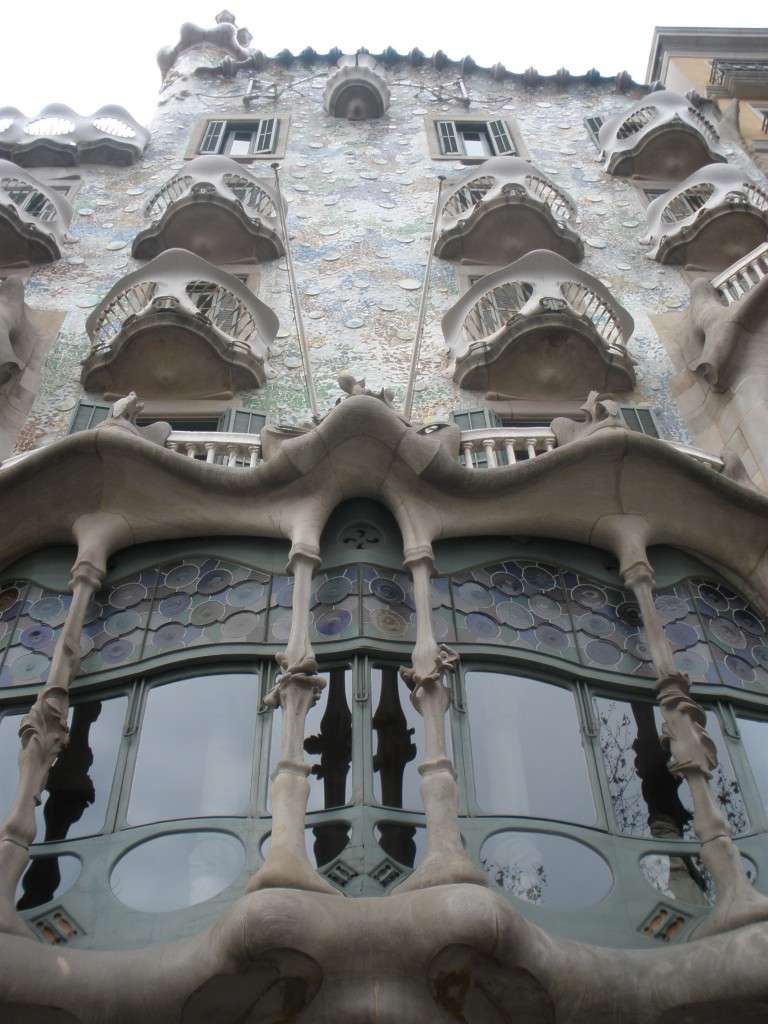
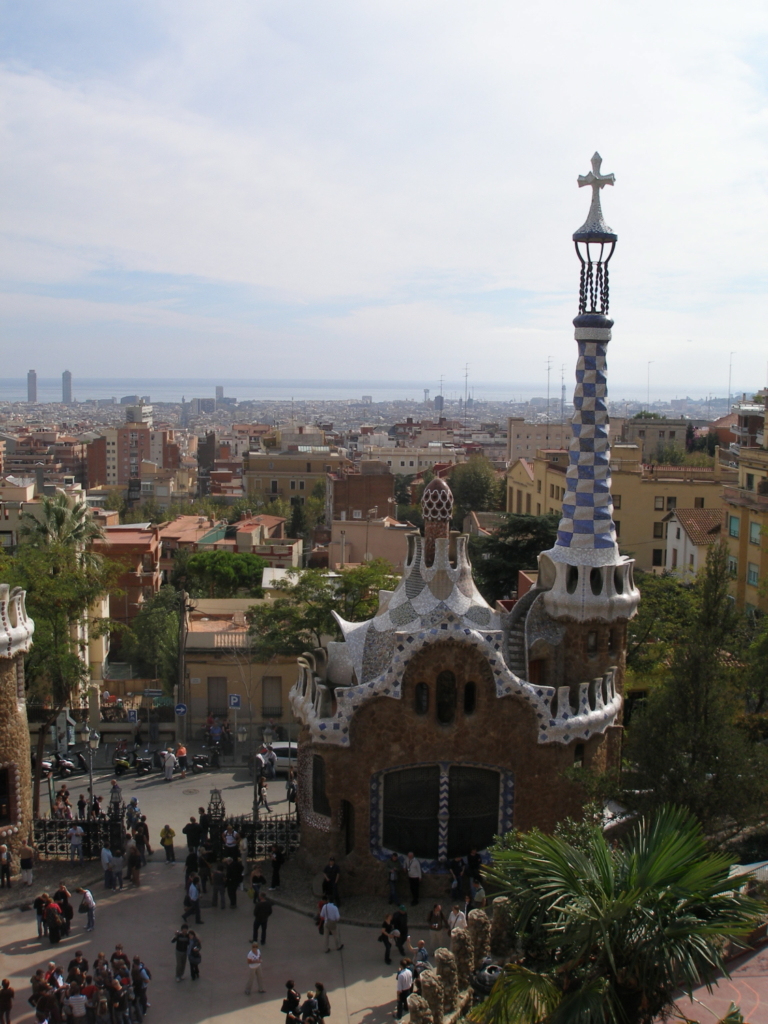
Special mention should also be made to other famous works of Gaudí in Barcelona, like his famous Casa Batlló and La Pedrera.  Gaudí’s famous La Pedrera was built between 1906 and 1910 for the Milà family and is one of the main Gaudí residential buildings in Barcelona. It is one of the most imaginative houses in the history of architecture and is more a sculpture than a building.  And not forgetting, one of the most beautiful icons of the city of Barcelona, ​​Park Güell,  a work by Antoni Gaudi carried our between 1900 and 1914, with wonderful views of the city where you can enjoy a peaceful stroll surrounded by nature and modernist works.


Many of our Food, Wine and Cultural Tours include a visit to Antoni Gaudí’s amazing unfinished La Sagrada Família in Barcelona (as well as to other masterpieces).  This means that, you not only get to beat the queues into the Church but, one of our Officially Licensed Bi-Lingual Guides will give you your own private tour and show you so much more.

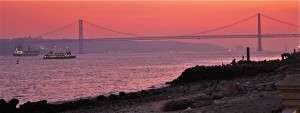
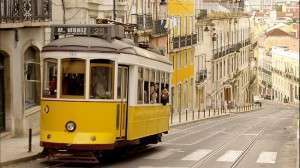
If San Francisco had a sister, it would be Lisbon. Both cities have twin bridges and famously foggy weather. Both are situated on the best natural harbors on the west coast of their respective continents. Both have trolleys rattling up and down their steep hills past characteristic buildings. And both have survived horrific earthquakes. In 1755, an estimated 9.0 earthquake leveled two-thirds of Lisbon. Within a month, a new city was designed, and downtown Lisbon was rebuilt on a progressive grid plan, with broad boulevards, including the cosmopolitan Avenida da Liberdade, and square squares.

Today, Lisbon is a charming mix of old and new. Bird-stained statues mark grand plazas, taxis screech around cobbled corners and the hip and trendy hang out in Art Nouveau cafes. Just like it did during the days of Magellan and Vasco da Gama, the city continues to welcome ships into its large port. Even today, Lisbon still feels like Europe’s gateway to the world.

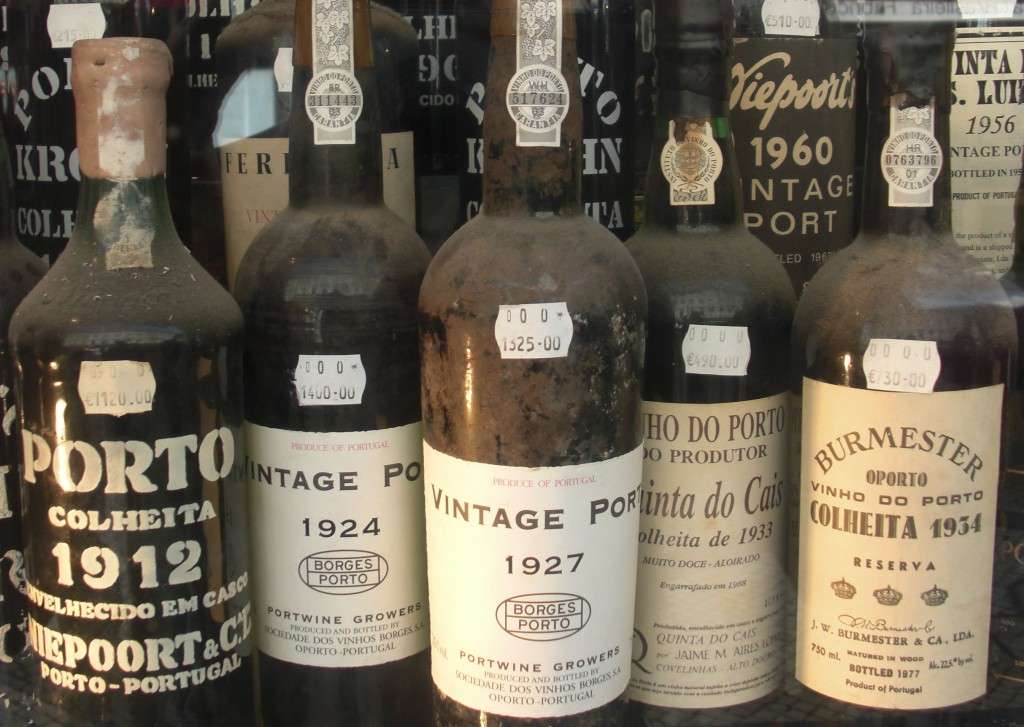
Get ready to excite your taste buds in Lisbon with Mediterranean tradition and exotic influences from all over the World. Enjoy Lisbon’s great Cafés and experience delicious and exotic products, from dried, salted Bacalhau to sausages, hams and cheeses. Learn the history of Portugal’s famous fortified wine, Port, and then try some with delicious Azeitao cheese. Taste the very special famous ports from the Douro valley and Portuguese wines, such as Vinho Verde de Minho (the famous green wine of Minho).

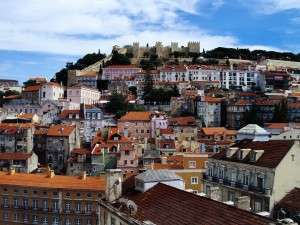
Visit the Moorish St George’s Castle and take in the impressive views over the sea. Venture on down from the castle to the river, crossing the Alfama, Lisbon’s salty sailors’ quarter. Its tangled street plan is one of the few aspects of Lisbon to survive the big quake, making the Alfama a cobbled playground of Old World color. Urban-jungle roads are squeezed into a maze of confusing alleys, designed to frustrate invaders on their quest to get to the castle. What was defensive then, is atmospheric now. Gnarled houses snuggle together in their romantic shabbiness; the air drips with laundry and the smell of clams and raw fish.

Take the chance to listen to some Fado, Portugal’s national music. In the picturesque Bairro Alto you will be able to dine at an authentic Portuguese Fado restaurant.

More about Portuguese Food 

Discover some of our customized food and wine tours to the most beautiful regions of Spain, Portugal and S.W France

Food, Wine & Cultural Tours of Spain, Portugal & S.W France

Our travel agency creates private and high-end wine, culinary and cultural tours in Europe. We understand that everyone’s idea of the perfect package is unique which is why we work with you to customize your unforgettable experience – with an emphasis on a personal touch.
Contact us to receive a quote for your private customized food and wine tour