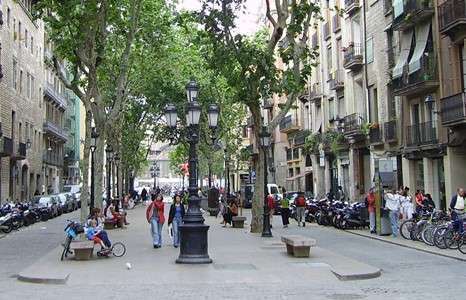
PENTAX Image

As in every city the place to be, and to be seen in is ever changing. New areas are revamped, businesses are created and tourists flock to a place they would never have dreamed of going on a previous visit.  Inevitably, this revamping, remodeling and breathing of new life has occurred  in Barcelona.

In the last few years the Born area of Barcelona has been transforming and is now THE new area to be and be seen in in the dazzling city.  To the east of the ever popular Ramblas and on the other side of Via Laietana lies this maze of old narrow streets interspersed with small squares and merchant palaces from the 15th Century.  Although getting lost in this labyrinth is part of the charm, this fashionable district of Barcelona invites you into its heart with  wine and tapas bars, candlelit restaurants and designer boutiques.

This born again zone of Barcelona neighbors the Gothic Quarter and together they make up the old side of Barcelona. The Port is also neighbor to the area, and the Ciutadella Park ,to the East, provides the ideal place to stop and relax under the shade of a tree.

At the center of this now fashionable zone is the Maria del Mar church which dominates a beautiful square with an abundance of cafés.  A masterpiece  illustrating  14th century Catalan Gothic style, it was built on the ancient chapel of Santa Maria de las Arenas of 998AD.  The Mediterranean was much more inland than today, so being close to the sea it was constructed thanks to donations from the sea farers.

Behind the Santa Maria square is the main street, Paseo del Born, which is where the witches were executed and burned in Medieval times.  This passage today, invites you to dine at various restaurants with a variety of cuisine to choose from, or maybe just take time out to sip a refreshing glass of Cava in one of the many bars.
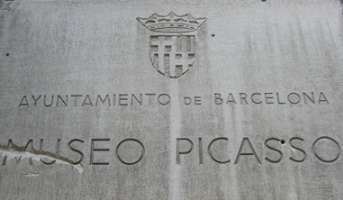
The Picasso museum is most surely THE museum to visit in Barcelona, for the artist and,  for the building which is made of five palaces joined together to make the museum.  An enjoyable visit here is a must to understand the formation of Pablo Ruiz Picasso.  The permanent collection of the genius’s work, here at the museum,  comprises of more than 3.500 works of art.
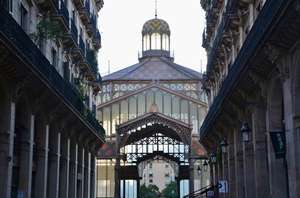
The former Born Market, a magnificent wrought iron structure built in the 1870’s, was once the city’s main wholesale market, until it closed in 1971.  Thanks to the market, the area of Born was once the city’s trading area.  After years of being forgotten, in 2001 excavation work uncovered some amazing remains.  Much debate ensued on the fate of  the market, but in September 2013 after extensive work was completed, the building opened again as the Born Cultural Center,  a civic center and covered plaza home to a permanent exhibition of thousands of artifacts discovered here.
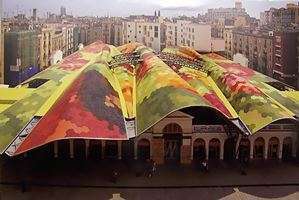
Another market, alive and kicking today, is the Santa Caterina Market. A fantastic place to stop for a quick bite at a good price or just to peruse the array of rainbow colors that the stallholders sell. With market stalls spread over 3 floors it is a valid rival to the famous La Boqueria. But, Santa Caterina market is not only colorful on the inside, view it from outside and you will see the magnificent roof is alive with over 300,000 colored ceramic tiles.
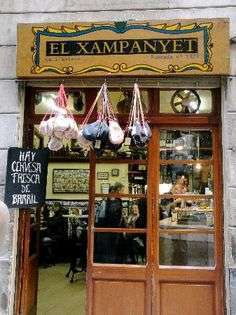
Many of our Private Food, Wine and Cultural tours include stays in Barcelona to discover this fantastic city via private tours and/or giving you free time for your own sightseeing.

Join us on the Highlights of Spain Tour to combine some fantastic gourmet, wine and cultural experiences while staying in Barcelona, Girona, Penedes, Seville and Madrid.
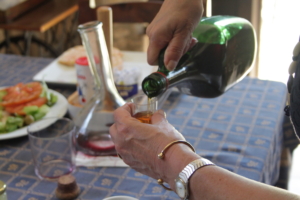
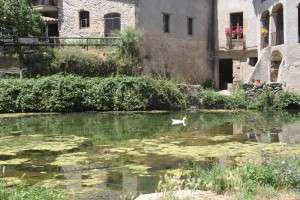
Catalonia is an autonomous community of Spain comprising of 4 counties: Barcelona, Girona, Lleida and Tarragona.  The capital, and largest, city is Barcelona, 2nd largest city in Spain behind Madrid.  Catalonia is a complete destination with sea and mountains so, whether you fancy a lounge on the beach or a ski down the slopes, city visits or country strolls, fine Michelin star dining or a picnic in the vineyards, this land has it all.

What is the secret ingredient? A little bit of everything! History, culture, patrimonial richness, a unique gastronomy, an enviable environment with long coast paths, rolling hills, outdoor activities, countless medieval villages, Mediterranean nature, majestic cities and friendly inviting natives.

There’s so much to see in Catalonia on sightseeing routes, but here, at Gourmand Breaks, we like to take you off the tourist track and let you experience authentic secret places lovingly cared for by the people that know the area best … the locals!  These are just a couple of our favorites, but shhhhhhh! this is just between you and us.


Escape from bustling city life and extend your Spanish vacation to discover some fantastic secret places in Catalonia on our Private Secret Catalonia Tour.  You will get to break the bread with the locals on this perfect Food and Wine escape in the Catalonia countryside.

Cosmopolitan Girona is a vibrant city with much to offer:  a wide variety of retail options, top class restaurants, fascinating culture and excellent public transport connections.  It has all the vibes of city life but with a personal approach, as with its outstretched arms Girona pulls you in to its enchanting soul.

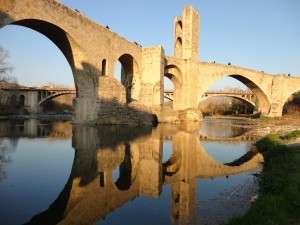
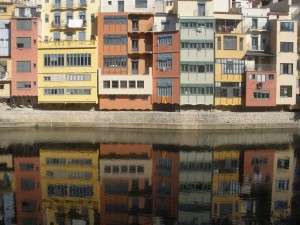
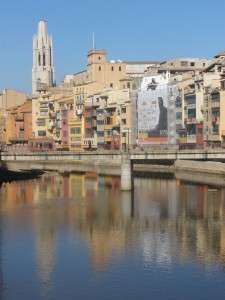
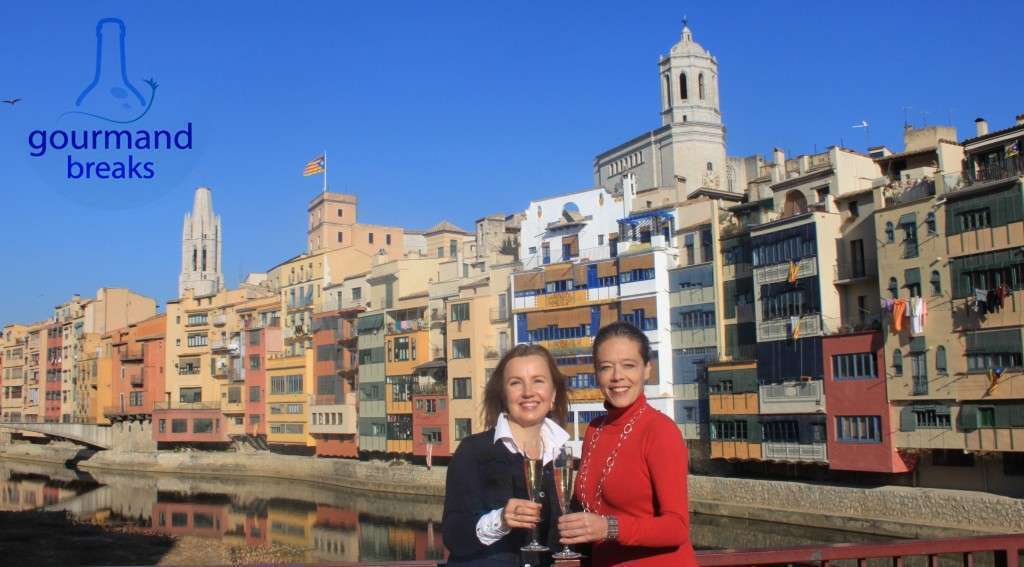
Through the heart of this up and coming city lies the River Onyar lined with its characteristic colorful houses,  dating back to the end of the middle Ages, and various bridges that criss-cross the old and new parts.

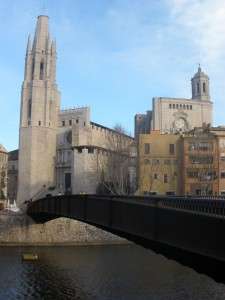
Over 1000 years of history make up the charming old part of Girona, located around the single nave Cathedral, the Jewish quarter, Sant Feliu church and Sant Pere de Galligants monastery.

In the patrimonial ensemble of the Santa Maria Cathedral of Girona the must see features are:
– The Gothic Nave, the widest in the world, without columns, at 22.80m (14th-16th centuries)
– The Creation Tapestry, one of a kind in Western Medieval art (11th-12th centuries)
– The Romanic Cloisters from the 12th century, and a collection of sculpture, painting, manuscripts, altar pieces and textiles (10th-12th centuries)

In the proximity of  the Cathedral are Sant Feliu church and Sant Pere de Galligants (now home of the Archaeology of Catalonia Museum), as well as the Arabian Baths.

According to legend, Saint Narcissus, the Bishop of Girona , and Saint Felix, his deacon, both died as martyrs, and the relics of Narcissus can still be worshipped in Girona Cathedral today.  Many miracles are attributed to this saint, such as that of the “Mosques de Sant Narcís” (‘flies of Saint Narcissus’). This legend stems from the time when the then King of France came to Girona with a powerful army, besieged the city and destroyed everything surrounding it. For the inhabitants, this was an inevitable catastrophe, because the French troops were much stronger and they were helpless. Until one day swarms of enormous and aggressive horseflies emerged from the grave of Saint Narcissus, which was sealed with a large, heavy stone slab. These flies traversed the walls of the city and attacked the French army.  Anyone who was stung by them instantly suffered a painful death. The surviving French enemies then fled back to their homeland. Since then it has been a superstition that the horseflies and flies are particularly numerous, keen to sting and agitated on Saint Narcissus Day, the 29th of  October.

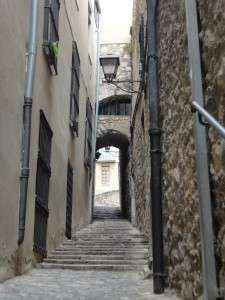
As you wander through the enchanting streets of the Jewish quarter, one of the most important in Europe where a Jewish community lived for over 6 centuries, you will step back in time.  The city of Girona has long been home to myths and legends that are hidden away in its streets and buildings. Numerous symbols direct the curious to stories, which have lived on for very many years and been told in the city for generations.  The streets here are named after the medieval activity practised in them and the markets offered in them; l’Argenteria (silver), Mercaders (salesmen), Plaça de Vi (the wine square), l’Oli (oil), and de les Castanyes (of the chestnuts)…


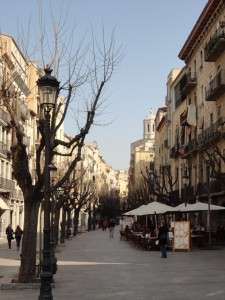
At the heart of the old town lies the wide tree-lined avenue of  La Rambla.  Rambla de la Llibertat (it’s full title) is the main thoroughfare of the old town and starts at the Stone Bridge. Bordered by cafés and businesses, its arcades evoke the Middle Ages, at which point in history this street was the setting for an important regional market. The thoroughfare continues as the much narrower Carrer de l’Argenteria  leads to the Sant Agustí Bridge.

The 9th century city Wall has today been renovated and provides an exceptional route to follow some sections of the longest Carolingian walls in Europe.  Enjoy the views of the city and the surrounding landscape from the various watch towers which provide excellent vantage points.

From traditional stores to designer boutiques: prestigious international brands, avant-garde decoration, signature jewelry, original crafts, unique antiques, delicatessen products and many more , Girona guarantees a shopping spree will be pleasurable.

For wining and dining the city has many restaurants offering a wide range of fare: Catalan, Mediterranean, market and signature cuisine.  The gastronomy of this city has now become an international model of quality, with Michelin-starred restaurants that include El Celler de Can Roca, proclaimed by the prestigious Restaurant Magazine as the Best Restaurant in the World!

And, not to be forgotten are the museums of Girona recalling bygone days: The history of the Jews, Museum of Art, History of the City, Cinema Museum …… and the modern and cosmopolitan side of Girona on the retail and leisure side.

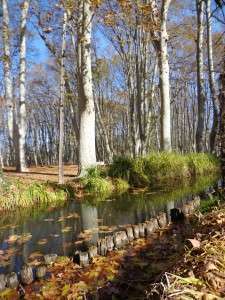
The city is completed with the Devesa Park.  Situated between the rivers of the Guell, the Onyar and the Ter, this fantastic city park extends for more than 40 hectares and is the most important Catalonian plane tree plantation. The plane trees that shade the famous Barcelona Ramblas came from this park and renowned poets have made it the subject of magnificent verse and songs.

Many of our Food & Wine Tours include private guided visits to Girona, Spain, in their itinerary.

Our Highlights of Spain Luxury Tour  is a complete tour including private visits in Girona, Barcelona, Seville, Toledo, Madrid and Medieval villages aswell as visits to Spanish wineries, winetasting, cooking classes, gourmet tastings and authetic meals.

As all our tours are exclusively private we can customize any tour to suit your preferences. Contact us for more information.

In Spain, New Year’s Eve, or Nochevieja (translated as “Old Night” from Spanish), is quite an impressive spectacle.  In all the plazas of the country a similar scene is played out  and includes church bells and grapes.

Spanish New Year’s Eve celebrations usually begin with a family dinner, traditionally including prawns, and lamb or capon, and of course accompanied by a fine Spanish wine.  Spanish tradition also states that wearing new, red underwear on New Year’s Eve brings good luck for the coming year.

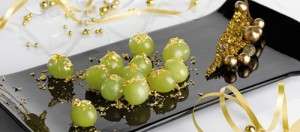
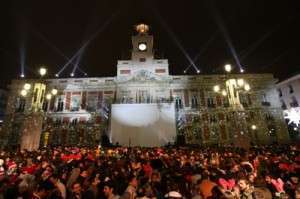
When the clock strikes 12, the church bells chime 12 times, and at this moment all Spaniards eat 12 grapes, one on each toll of the bell.  The actual countdown is primarily followed from the clock on top of the Casa de Correos building in Puerta del Sol Square in Spain’s capital city, Madrid.   This great grape tradition dates back to 1909, when grape growers in Alicante  thought of it as a way to cut down on the large production surplus they had had that year. Nowadays, the tradition is followed by almost every Spaniard, and the twelve grapes have become synonymous with the New Year in Spain.  The first grape, and the second, are easy but gradually as cheeks get filled to bursting, laughter usually interrupts the mission to eat all 12 grapes on time.   (A top tip to complete this mission is to buy small, seedless grapes.)  If all the 12 grapes are consumed as the last toll chimes, it is considered that one will have a lucky year.

After the clock has finished striking twelve, people greet each other and toast with sparkling wine such as Spanish cava or champagne . This lively celebration will go on until the small hours of the morning either in homes at private parties or in pubs and clubs where hundreds of revellers celebrate the New Year.

Early the next morning, party attendees usually gather to have a traditional winter breakfast of hot chocolate and fried pastry “churros”.

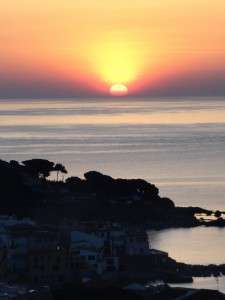
Many people also congregate to watch the first sunrise of the New Year.  If the sky is clear a fantastic vision can be enjoyed and a spectacular place for this is high on a hill looking out to sea.  One of our favorites is at the lighthouse in Llafranc, Girona, Spain where the all night partygoers mix with the early risers to enjoy hot chocolate by the rhythm of sardanes music and the light of the rising sun.


We, at Gourmand Breaks, wish you all a Happy and healthy New Year 2014, which ever tradition you follow and wherever you are in The World!! Cheers!!!

Filled champagne flutes resting against each other, close-up

If you’re looking for some inspiration for your 2014 travel plans, take a look at our fantastic private tours and treat yourself this New Year to a luxury gourmet, wine and cultural vacation tour of Spain, Portugal and /or SW France.


FELIZ NAVIDAD / BON NADAL / HAPPY CHRISTMAS

from your Gourmand Breaks team!

Wishing everyone a very Merry Christmas and a Healthy & Prosperous New Year 2014


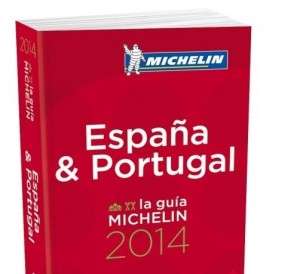
Last month saw the announcement of the NEW Michelin Guide for Spain and Portugal 2014.

A new Michelin 3 star restaurant was awarded to Spain for 2014, along with two new Michelin 2 star restaurants, and various new Michelin 1 star restaurants.

In total, for 2014, there are 17 Michelin 2 Star restaurants in Spain.  This year Martín Berasategui adds his “M.B” restaurant in Guía de Isora, Santa Cruz de Tenerife to the Michelin 2 star category where it joins his already awarded “Lasarte” in Barcelona.

Francis Paniego also joins the elite Michelin 2 star crew with his “El Portal del Echaurren” restaurant in Ezcaray, La Rioja.

* * All Michelin 2 Star Restaurants in Spain for 2014 (in alphabetical order):

Abac. Jordi Cruz (Barcelona)

Atrio. Toño Pérez (Cáceres)

Calima. Dani García (Marbella)

Casa Marcial. Nacho Manzano (Asturias)

El Club Allard. Diego Guerrero (Madrid)

El Portal. Francis Paniego (La Rioja)

Enoteca. Paco Pérez (Barcelona)

La terraza del Casino. Paco Roncero (Madrid)

Lasarte. Martín Berasategui. (Barcelona)

Les Cols. Fina Puigdevall (Girona)

M.B. Martín Berasategui (Santa Cruz de Tenerife)

Miramar. Paco Pérez (Girona)

Moments. Raül Balam (Barcelona)

Mugaritz. Andoni Luis Aduriz (Guipuzcoa)

Ramón Freixa (Madrid)

Santceloni. Óscar Velasco (Madrid)

Sergi Arola Gastro (Madrid)


Whereas Michelin 2 star restaurants are classed as  “excellent cooking, worth a detour”,  Michelin 3 Star restaurants are classed as  “exceptional cuisine, worth a special journey” and there are just 8 of these Michelin star wonders in Spain for 2014.  (See our blog post Michelin 3 Star Restaurants 2014 – Spain)

And, even though Barcelona, City, still does not have a Michelin 3 star restaurant it proudly boasts 4 Michelin 2 star restaurants and 19 Michelin 1 star restaurants.

Join us on an exclusively private tour like the Ultimate Luxury Gourmet Food Tour where you can experience Spanish Cuisine at it’s best, and fine dining in Michelin Star Restaurants, including the World’s Number 1 Restaurant – Celler de Can Roca.


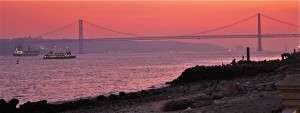
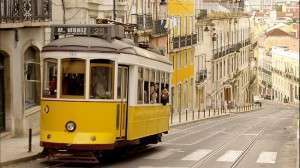
If San Francisco had a sister, it would be Lisbon. Both cities have twin bridges and famously foggy weather. Both are situated on the best natural harbors on the west coast of their respective continents. Both have trolleys rattling up and down their steep hills past characteristic buildings. And both have survived horrific earthquakes. In 1755, an estimated 9.0 earthquake leveled two-thirds of Lisbon. Within a month, a new city was designed, and downtown Lisbon was rebuilt on a progressive grid plan, with broad boulevards, including the cosmopolitan Avenida da Liberdade, and square squares.

Today, Lisbon is a charming mix of old and new. Bird-stained statues mark grand plazas, taxis screech around cobbled corners and the hip and trendy hang out in Art Nouveau cafes. Just like it did during the days of Magellan and Vasco da Gama, the city continues to welcome ships into its large port. Even today, Lisbon still feels like Europe’s gateway to the world.

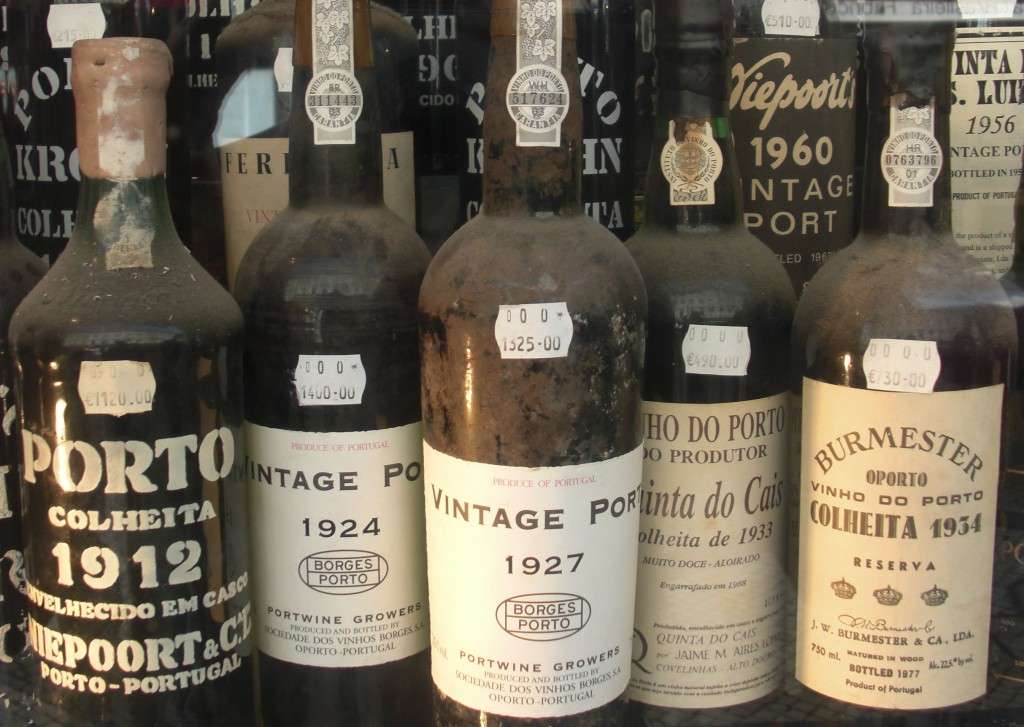
Get ready to excite your taste buds in Lisbon with Mediterranean tradition and exotic influences from all over the World. Enjoy Lisbon’s great Cafés and experience delicious and exotic products, from dried, salted Bacalhau to sausages, hams and cheeses. Learn the history of Portugal’s famous fortified wine, Port, and then try some with delicious Azeitao cheese. Taste the very special famous ports from the Douro valley and Portuguese wines, such as Vinho Verde de Minho (the famous green wine of Minho).

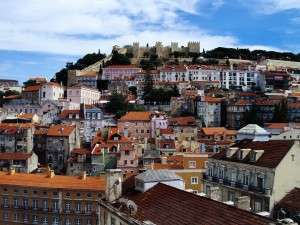
Visit the Moorish St George’s Castle and take in the impressive views over the sea. Venture on down from the castle to the river, crossing the Alfama, Lisbon’s salty sailors’ quarter. Its tangled street plan is one of the few aspects of Lisbon to survive the big quake, making the Alfama a cobbled playground of Old World color. Urban-jungle roads are squeezed into a maze of confusing alleys, designed to frustrate invaders on their quest to get to the castle. What was defensive then, is atmospheric now. Gnarled houses snuggle together in their romantic shabbiness; the air drips with laundry and the smell of clams and raw fish.

Take the chance to listen to some Fado, Portugal’s national music. In the picturesque Bairro Alto you will be able to dine at an authentic Portuguese Fado restaurant.

More about Portuguese Food 

Discover some of our customized food and wine tours to the most beautiful regions of Spain, Portugal and S.W France

Food, Wine & Cultural Tours of Spain, Portugal & S.W France

Our travel agency creates private and high-end wine, culinary and cultural tours in Europe. We understand that everyone’s idea of the perfect package is unique which is why we work with you to customize your unforgettable experience – with an emphasis on a personal touch.
Contact us to receive a quote for your private customized food and wine tour

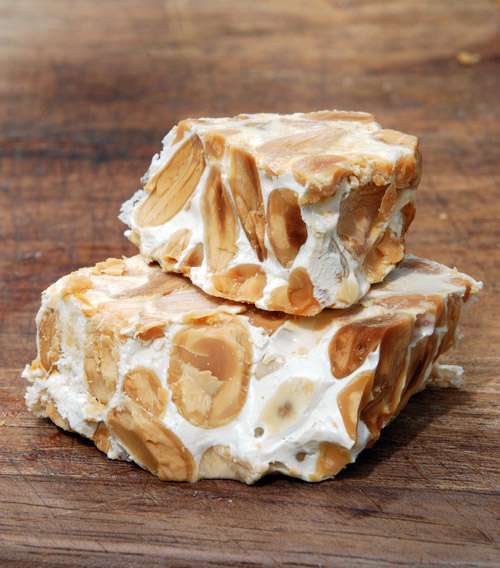
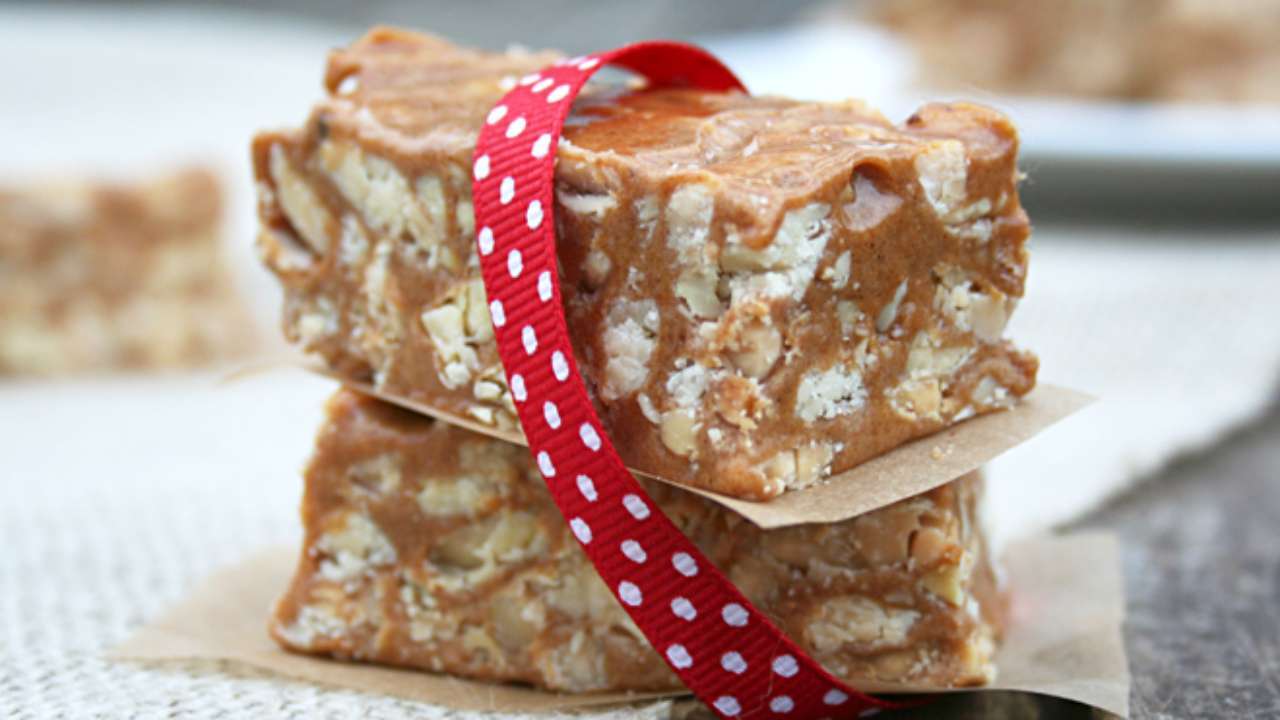
Turron is a typical Spanish, nougat style, delight available all over the Christmas period.  Turron flavors are diverse and there are many different varities including chocolate, truffle, lemon, cherry brandy, whiskey and so much more.   Many people gift turron to family, friends and neighbors, but this easy recipe for traditional Spanish Christmas Turron, including honey and almonds,  can be easily adapted with your favorite ingredients for an original gift this Christmas time.

Ingredients for Traditional Spanish Christmas Turron Recipe:

• 1 cup orange blossom honey
• 1 cup finely ground almonds
• 2 egg yolks
• 1 teaspoon ground cinnamon (optional)
• 1/8 teaspoon lemon zest (optional)
• 1 egg white, beaten stiff

Method for Traditional Spanish Christmas Turron Recipe:

Pour the honey into a saucepan and warm over a medium-low heat to 140 degrees F (60 degrees C). Stir the almonds into the warm honey and remove from the heat.

Mix the egg yolks, cinnamon, and lemon zest into the almonds. Fold the egg white into the mixture.

Line a dish with parchment paper. Pour the mixture onto the parchment paper and smooth to a 1/2-inch layer.

Place a sheet of parchment paper on top of the mixture and then place a cutting board over the paper; place a few items on top of the cutting board to give it some weight.

Once your traditional Spanish  turron has been left to dry for 3 days – cut into 1-inch squares to serve.

This Spanish sweet delicacy is best accompanied with a glass of sweet fortified dessert wine such as Moscatel or even a sweet cava.

If you would like to learn to cook traditional and authentic Spanish recipes with a professional Spanish chef, our private Cooking Tours in Northern Spain will introduce you to the best of Spanish cuisine as well as a range of culinary delights such as Michelin starred dining, exquisite wine tastings and authentic gourmet tapas tours.


Last month, November 2013, saw the results of the NEW Michelin Stars for Spain 2014 being announced.  The fantastic news that Madrid can finally boast a 3 star Michelin restaurant, thanks to DiverXo and David Muñoz, brings the number of  Michelin 3 star restaurants in Spain up to 8.

But, it’s not just Spain that is sparkling:  3  Michelin star restaurants around the World include:  Tokyo with 14, Great Britain with 4, New York City with 7, Germany with 11 and San Francisco Bay Area with 2.  The French Michelin Stars for 2014 have yet to be announced but Paris currently holds ten Michelin 3 star restaurants.

The Eight Wonders of Spain:  

 Michelin 3 Star Restaurants in Spain for 2014 (in alphabetical order) are:

Akelarre. Pedro Subijana (Guipúzcoa)

Arzak. Juan Mari Arzak (Guipúzcoa)

Azurmendi. Eneko Atxa (Vizcaya)

DiverXo. David Muñoz (Madrid)

El Celler de Can Roca. Joan Roca (Girona)

Martín Berasategui (Guipúzcoa)

Quique Dacosta (Alicante)

Sant Pau. Carme Ruscalleda (Barcelona)


Join us on an exclusively private tour like the Ultimate Luxury Gourmet Food Tour where you can experience Spanish Cuisine at it’s best, and fine dining in Michelin Star Restaurants, including the World’s Number 1 Restaurant – Celler de Can Roca.

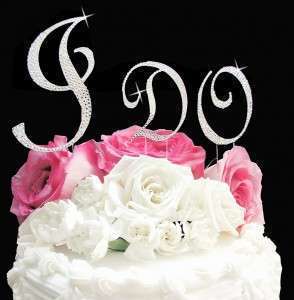
Everybody loves a good wedding and Barcelona is certainly getting excited to lap up the luxury this weekend to host the most expensively luxurious wedding of its history.

The Mittal dynasty is arriving this week for a fiesta filled weekend in Barcelona. Curiosity is rife in the Catalan capital as the “Top Secret” stamp has been put on everything! It is still unsure who is getting married, from the family of Indian billionaire Lakshmi Mittal, as at the request of the family, the celebration is private.

The budget for the wedding is unknown, but lavish it will be for sure as the Mittal family is known to spend big on this type of event. In 2004, Lakshmi Mittal spent a whopping $65 million on his daughter Vanisha’s 5 day wedding in Versailles, France, which included a 3 song mini concert by Australian pop star Kylie Minogue.

Nearly a thousand guests are expected to descend on Barcelona, to join the lavish 3 day celebrations, from the 6th to the 8th of December. The size of the event is so big that the Town Council, Barcelona tourist Board and the Cambra de Comerç are collaborating in the organization of this monumental wedding. Rooms have been booked in the most luxurious of the city’s hotels, like the Hotel Arts and the W (the sail), the limousines are firing up their engines and the finest restaurants have been reserved.

As the “Top Secret” sign has been stamped all over this wedding it is no surprise that the location of the main ceremony is still a mystery. Although, what is almost definite is that there will be festivities, over the 3 days, at the Maritime Museum, the Italian Pavilion of Montjüic and at one of Gaudi´s works – the old Hospital de Sant Pau. The wedding reception will most likely be held in the oval room of MNAC – Museu Nacional d’Art de Catalunya (which has a capacity of 1.500 people).


Barcelona, with something for everyone, is a fantastic city for a wedding, vacation or as part of a dream honeymoon tour.  Our Private Luxury Romantic Spain Tour combines the bustling city of Barcelona with the serene seaside, so offering the chance to experience the best of both worlds.

Who wouldn’t want unlimited funds?  But, remember, all our tours can be completely customized to suit your preferences and budget.