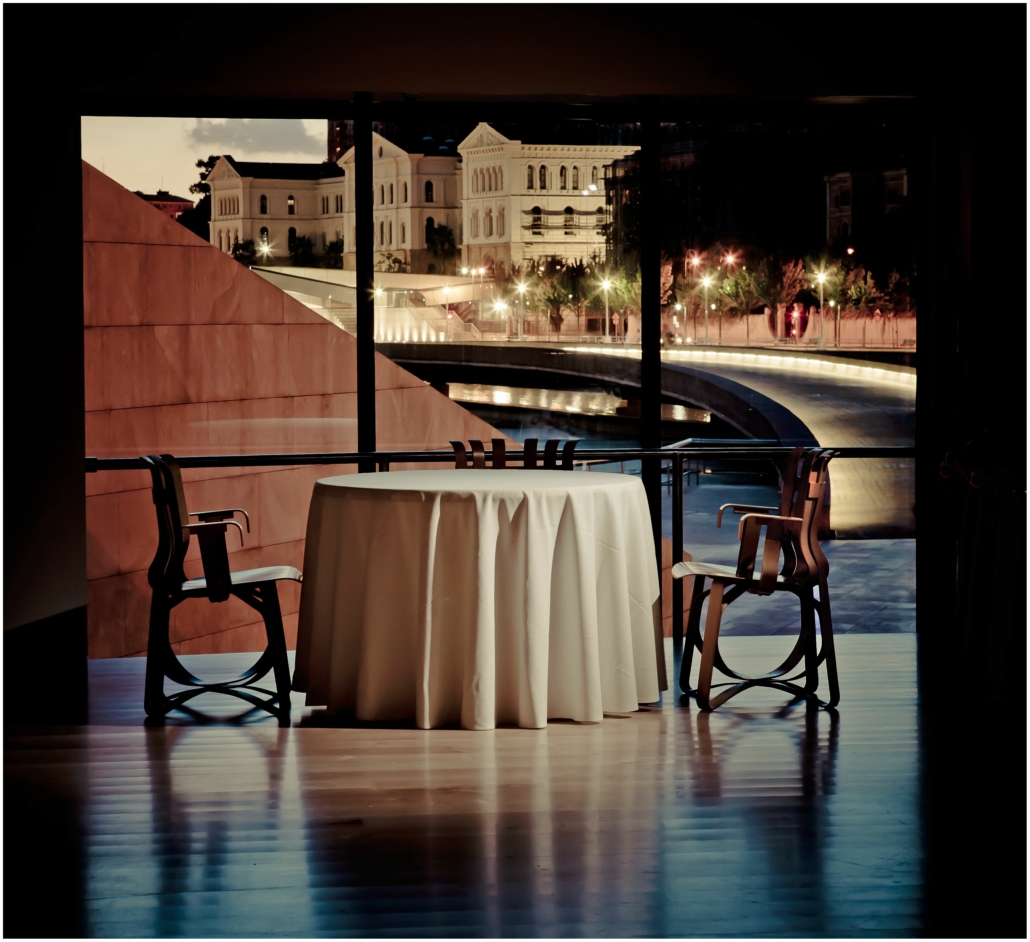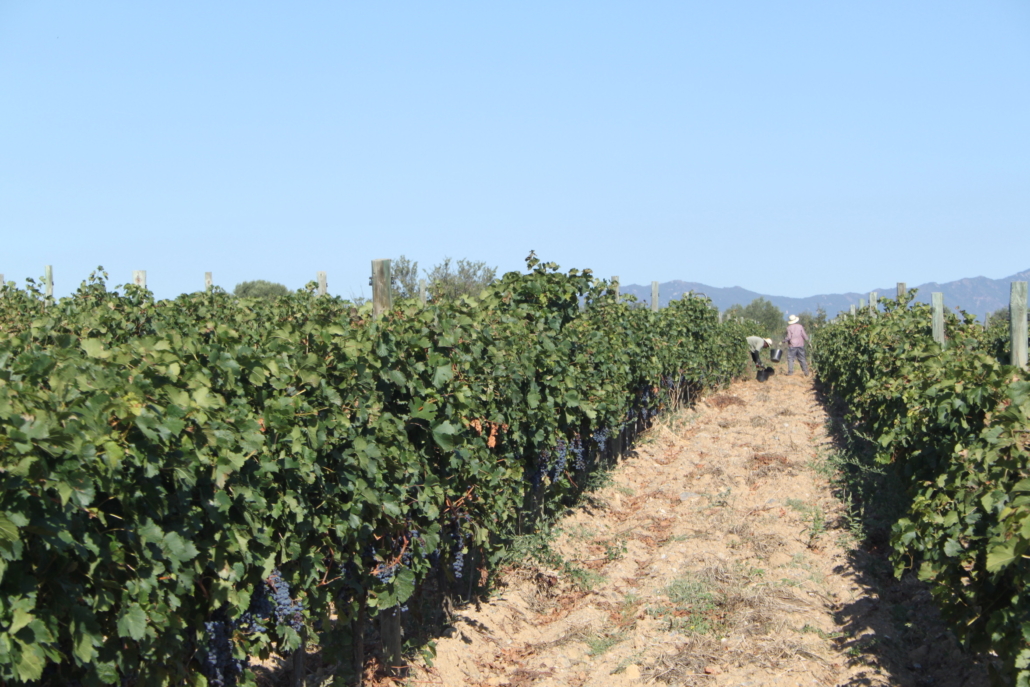
On your next vacation in Italy be sure not to miss out the beautiful Chianti Classico wine region in Tuscany, especially if you are a wine lover! Explore the enchanting Chiantigiana wine route, the land of Sangiovese, and taste different expressions of this Tuscan noble grape on our Authentic Italy Bespoke Food & Wine Tour! Listed in alphabetical order, discover some of our favorite wineries of this region, as noted below:

1) Antinori nel Chianti Classico

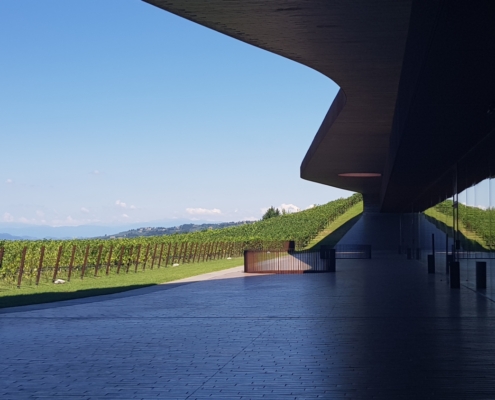
The famous state-of-the-art, Antinori nel Chianti Classico, winery awaits you; to say it is impressive is an understatement! A story that began in 1385, your visit with an in-house expert will reveal their truly magnificent innovative eco-friendly architecture blended with the surrounding scenery, and once inside the cellars, you will view their sophisticated wine making processes. You will enjoy their most suggestive and unusual tasting spaces, as you savour their flagship Chianti Classico wines, from both this, sleek and modern, as well as from another ancient, and also very prestigious, Badia di Passignano cellar by the same company.

2) Badia a Passignano

Should you wish to explore the Antinori Tuscan estates further, the nearby quaint estate of Antinori’s Badia Passignano, is truly worth visiting, with its fabulous reds, made from a selection of the best Sangiovese grapes harvested from the monastery’s historic vineyards. The historical property extends over 223 hectares, of which 65 hectares are planted with vines. We will gladly arrange for a wine expert to take you on a memorable tour of the property and you will taste some of Antinori’s mythical wines such as Tignanello, Cervaro della Sala, Chianti Classico Riserva Badia a Passignano, Guado al Tasso, and Solaia. After the cellar visit, enjoy an extra virgin olive oil tasting. If you have the time make sure to book at Osteria a Passignano for dinner that evening, you won´t be disappointed!

3) Castello di Brolio

Another “not to be missed” winery is Castello di Brolio, one of the most important and historic Chianti Classico-producing estates. This is possibly the oldest winery in Italy, whose founder, the famous Barone di Ricasoli, was responsible for formulating the grape mix of Chianti Classico during the late 19th century. Your in-depth tour with an in-house expert will take you on a journey of nearly a thousand years to the remarkable ancient castle of the estate, around the grounds, to see the chapel and also to appreciate the great views across the surrounding countryside from the panoramic terrace. You will then head to the impressive modern winery where you will experience a tasting of several top Chianti Classico wines.

4) Castello di Fonterutoli

If you’re looking for the complete package where you can stay, drink, eat and be merry then look no further than this quaint ancient village. The history of the Mazzei family dates back to 1435, their estate covers an overall surface of 650 hectares, where “only” 117 hectares is utilized for their special vineyards. The grapes here are harvested by hand, turned into wine and aged in wood barrels, it´s no wonder the excellence of their wines are renowned worldwide! Be prepared for a new sensory experiences and unique ambiance with a visit to the winery where you will discover the most important wines of Fonterutoli and the other Mazzei estates.

5) Castello di Meleto

This fantastic historic estate has been welcoming guest since 1256, the first accounts date back to the eleventh century, when it was the property of the Benedctine monks. With the land extending across 2,400 acres, of which 400 are dedicated solely to vineyards, you will surely be fascinated by the prestigious wines on this visit. About 70% of the grapes are harvested by hand due to two factors, the slope of land and the commitment to selecting only the best fruit. As well as a great guided tour and tastings, you can also enjoy lunch or dinner at the restaurant, Fornace di Meleto. Make sure you collect some unique bottles from their wine shop once you have experienced your favorites!

6) Castello di Vicchiomaggio

The owners of Castello di Vicchiomaggio have dedicated their lives to preserving centuries-old tradition, where wine is still produced in their hilltop historic castle. The estate covers 140 hectares, of this 34 are vineyards and 10 are olive trees, leaving the rest as a park. The tour of the vineyard and historical cellars allow you to discover the secrets of the production of their award winning wines and to learn about their indigenous grapes such as Canaiolo and Colorino. Afterwards you can choose to continue your experience with wine tasting and lunch in the restaurant of the castle or with a tasting and a dinner paired with the labels belonging to the castle.

7) Castello di Volpaia

This incredible winery nestled in a medieval hamlet of this tiny village will not disappoint, it may possibly be one of the best you experience. With an incredibly authentic feel not only can you enjoy fantastic wines but you can stay overnight in the villas, join a bespoke cooking class and enjoy succulent dishes from the restaurants. From the eleventh century the village has been intimately involved in the wine and olive oil production, nowadays producing only certified organic options. Learn about the fascinating history of how the wines are produced and how they are joined together by an underground wine duct during one of their unique winery tours.

8) Dievole

Well known for fusing traditional methods and scientific innovation Dievole focuses on the finest quality, sustainability and low environmental impact. Founded in the 11th century Dievole produces elegant wines and top extra-virgin olive oil which you can learn about on one of their many fantastic tours. Walking down the street lined with signature cypress trees, you will find yourself in the medieval hamlet, where the sommeliers will welcome you into the wine shop for a fantastic wine tasting, followed by a visit to the cellar where you will swirl and savor Dievole’s finest Chianti Classico DOCG and will also hear about their sustainable production system.

9) Fattoria Le Fonti

Experience a unique wine tasting and cellar visit to this small boutique winery, halfway between Florence and Siena, in the small village of Panzano. Changing ownership in 1994, to the Schmitt-Vitali family, all vineyards have since been replanted and take great care of, selecting only the right type of plants with the best rootstock. The property extends over 15 hectares of which 9 hectares are vineyards and the rest are olive groves. The organic vineyard is farmed sustainably to save the integrity of the environment, whilst taking meticulous care of the vines they only select the best grapes for the cellar which allows 40-50,000 top quality bottles to be produced each year.

10) Molino di Grace

Another small yet fantastic wine producer is this state-of-the-art winery which was built in 1997; although the vineyards have long been prosperous for over 350 years. Molino di Grace, the ‘windmill of grace’, has 30 hectares of vineyards that have been producing traditional Chianti Classico wines, and is complete with an historic 19th century windmill and world-class sculptures. The winery makes every effort to be a sustainable and bio-dynamic, producing around 250,000 bottles of Chianti Classico, Gran Selezione, Riserva, and Super Tuscan wines each year. Passionate staff offer tours of the winery including the vineyards and wine tastings of their vintages, as well as their artwork.

With our fantastic chauffeurs or on a self drive basis you will be able to tour some of these 10 Best Wineries to Visit in Chianti Classico, Tuscany and much more, as part of your private Wine, Gourmet & Cultural Tours of Italy. Feel free to browse our website and get inspired!
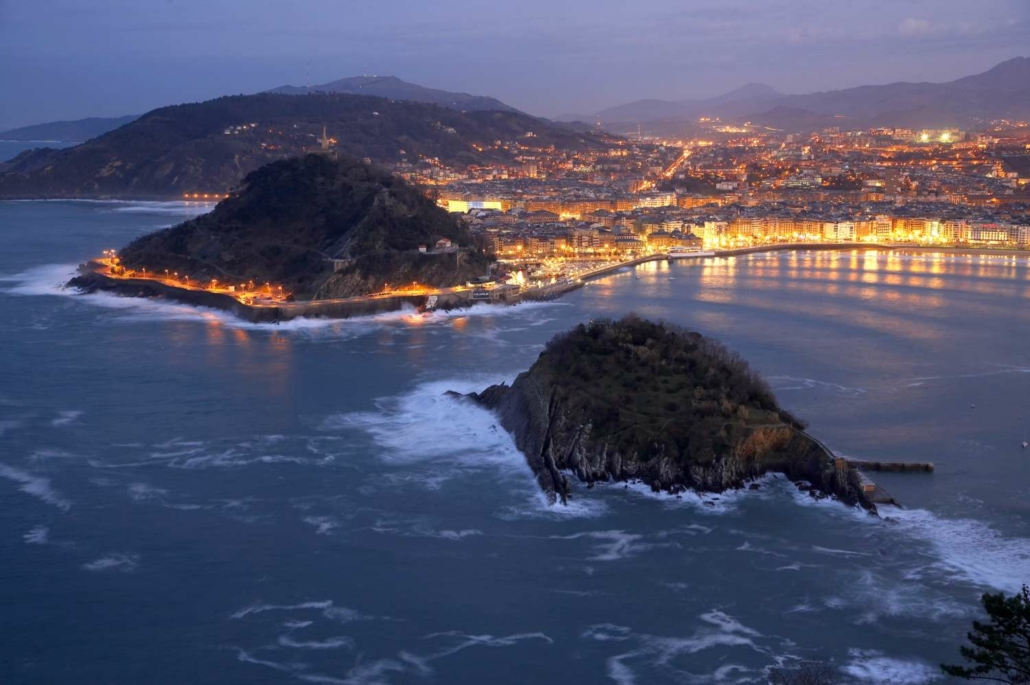
Photo courtesy of San Sebastián Turismo & Convention Bureau
 

Top 10 things to do in San Sebastian 2019


On your next vacation in Spain why not tour the spectacular city of San Sebastian, renowned as the best city to eat in Spain, if not the world and also known as the wonderful “beach in the city”. The city of San Sebastian spreads around the famous La Concha beach, whilst inland are the beautiful green mountain landscapes of Guipuzcoa of which San Sebastian is the provincial capital. Although tapas were invented in Andalucia they became perfected in San Sebastian and here are known as pintxos, so why not come and experience the best of San Sebastian with us on your private Northern Spain food & wine tour


1) La Concha Beach

Capturing almost every imagination of how a spectacular city beach should be, La Concha is a perfect mixture of soft, turquoise waters, peace and quiet and has a few great places to eat nearby. The extensive gorgeous bay is just five minutes’ walk from the vibrant center of Parte Vieja, the port area and from the cathedral quarter. La Concha is the most beautiful of Donostia´s three beaches (the others are Ondarreta and Gros) but if you get a chance visit them all. Make sure you also at least experience one stunning pink and orange sunset one evening, you won´t be disappointed!

2) Parte Vieja

Between the two spectacular beaches you will find the beating heart of the city, the “Old Town” of San Sebastian. Explore the unique romantic corners, take in the vibrant atmosphere, wander by foot to the numerous, creative pintxos bars an experience the city’s history. Spanish tradition suggests having one or two pintxos and a wine in one bar and move on to the next. For sure you will try a glass (or two…) of the best local Txakoli wine! Surrounded by narrow streets this charming old town is a pleasure given the architecture, quaint shops, bakeries, churches and local food markets. There are so many delicious places to try that it is almost impossible to choose!

3) Monte Urgull

Hike up the winding stone paths of Monte Urgull for a picturesque journey with stunning views, a great way to walk off all the delicious San Sebastian food! Along the way you will be surrounded by gorgeous flowers and lushes greenery, with many fascinating historical notes en route. At the top you will enjoy a bird’s eye view of La Concha beach, the city’s old quarter and a tall statue of Christ blessing San Sebastian, standing at the highest point. On your way back down why not go via the backside of the hill if you are interested in seeing the cemetery of the British soldiers, fortifications and cannons.

4) Buen Pastor Cathedral

San Sebastian’s largest church has a stunning Neo-Gothic sandstone exterior that is hard to miss; no matter where you are in the old town you can always find your way from this spectacular, tall structure. Make sure you have your camera in hand as the view of the cathedral from the narrow streets makes for a great photo opportunity! Although the cathedral seems like it could be from the medieval times, the Gothic revival structure actually dates back to 1897. The stone interior is complete with beautiful stained glass windows representing the 12 apostles and the sacred hearts of both Jesus and Mary, best viewed during the brighter hours for full magnificence. Once you leave make sure you try the delicious ice cream shop just outside.

5) San Telmo Museoa

If you love history and culture then visit one of the best and oldest museums in the Basque County, which showcases a thought-provoking collection from prehistoric times to today’s modernity. Featuring over 26,000 historic artifacts you will surely be fascinated by a mix of Gothic, contemporary and renaissance creations providing an intriguing insight into Spanish history. Exhibitions are featured across a restored Dominican convent dating back to the sixteenth century, and an incredible modern newer division, that blends into the natural sounding backdrop of Mount Urgull.

6) Mercado de la Bretxa

Traditional food markets such as La Bretxa and San Martin are where many of the famous local chefs personally select their produce from, within the hustle and bustle of industrial style warehouses. Whilst visiting new places it is always fun to experience the local foodie stalls, you will find a large array of typical, local and good quality Spanish food, a must see for food lovers! Expect to see the likes of the freshest fruit and vegetables, a unique display of sea life, deli meats, cheeses, olives, and of course the typical Txakoli wine. The traditional markets are always kept clean, the produce is very affordable and all the stall operators are very friendly and helpful.

7) Monte Igueldo

On the other side of San Sebastian you will spot Mount Igueldo which has one of the best viewpoints over the beautiful Conaha bay, and if you’re lucky, the coast of France on a fine day! The best way to get to the top is by using the funicular railway, which has been operating since 1912 and is the oldest in the Basque Country, alternatively you can drive or walk up the hill depending how you are feeling in the moment. Once you reach the top there is a hotel with a nice terrace, bars to have a snack or drink and a vintage amusement park for the kid. Marvell at the incredible views, relax and enjoy!

8) Santa Clara Island

For something a little different in the hot summer months why not cool down at the remote, uninhabited island of Santa Clara. Whether you only have just a few hours on your hands, or a whole day, it is still worth visiting this relaxing haven, via the water taxi that runs every 30 minutes. Unwind from the busy city, swim under the warm summer rays and take in nature. Why not walk to the top of the island, it is a steady incline but you can still easily reach the top to the lighthouse, with minimal effort. There is also a small seasonal restaurant on the island which is well known for its Paella if you fancy lunch, alternatively, prepare a picnic as there are numerous benches and tables throughout the island.

9) Aquarium

For something unique why not visit the great collection of sea creatures and amazing fish, fantastically displayed in San Sebastian’s Aquarium, there is something for everyone! The visit begins with local maritime culture where you view and learn about the history of ancient boat, artifacts and other marine exhibits. Next, you will surely be amazed with the variations for sea life from sharks, stingrays, sardines, jelly fish to beautiful corals in the extensive, cinema sized aquarium. If you want to see the feeding session make sure you visit around lunchtime.

10) Miramar Palace

Take a break away from the hustle and bustle of this vibrant city and head on a short walk to the nineteenth century English summer palace used by Isabella II. This picturesque place is the perfect spot for a picnic or quiet retreat, taking in the stunning views of the coastline. Bath in the warmth of the sun on the luscious lawn or sit on the benches and make sure to stop and read the small signs around, to learn about the history and palace itself. Unfortunately don´t expect to enter the old summer resident as usually it is closed, neither less the exterior is gorgeous and is surrounded with beautiful formal gardens.


With our charismatic officially licensed San Sebastian guide you will be able to see these Top 10 places and much more as part of your private Gourmet & Cultural Basque Country Tour. Feel free to browse our website and get inspired!


Explore the riverside picturesque city of Porto with our charismatic guide, loved by all our clients.  Porto is an intrinsic part of our best selling private Best of Portugal Tour – just let us know when you d like to come and we will create a perfect Portuguese vacation for you!


  • Porto is Portugal’s second largest city, after Lisbon, and is an important Atlantic port.


  • Porto is located in Northern Portugal on the Douro river estuary and follows the river up until it reaches the Atlantic Ocean.


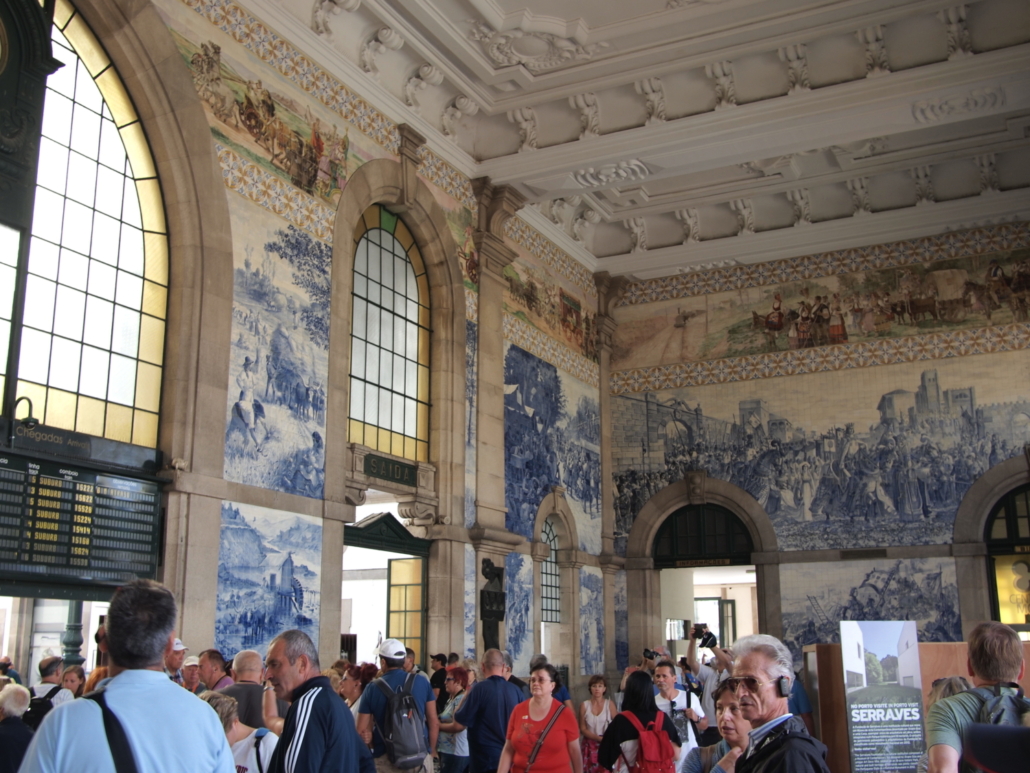
  • Typical Portuguese blue and white azulejos tiles decorate everything from churches and monasteries to palaces, houses and train stations.


  • In Portuguese the name of the city is spelled “o Porto“ (with a definite article) which translates into English as ‘the port’. 


  • The English name of the city, Oporto,  evolved from a misinterpretation of the Portuguese oral pronunciation.


  • The Latin name for Porto is Portus Cale from which the country, Portugal, takes it´s name.


  • Porto’s most famous export is Port Wine, to which the city gives its name.


  • Porto is one of the oldest European cities, and was registered as a World Heritage Site by UNESCO in 1996, for its historic buildings and outstanding monuments.


  • The first evidence of settlers emerged in the 8th century B.C., situated near the present Morro da Sé. This ancient village is known as Cividade, but unfortunately any traces left of this area were demolished in 1940.


  • One of the most traditional dishes of Porto is the ‘Tripas à Moda do Porto”. In the 15thcentury, the people of Porto gave a great quantity of meat to the military forces, keeping only tripe. This is the reason why the people of Porto are called ‘Tripeiros’.


  • In 1807 Porto suffered a violent invasion by Napoleon’s troops but, with the help of the British, the city banished the general. In 1809 Napoleon invaded Porto again and during these invasions the terrible Bridge of Barques disaster took place, resulting in the loss of hundreds of panic-stricken people trying to escape from French soldiers, drowning in the Douro.


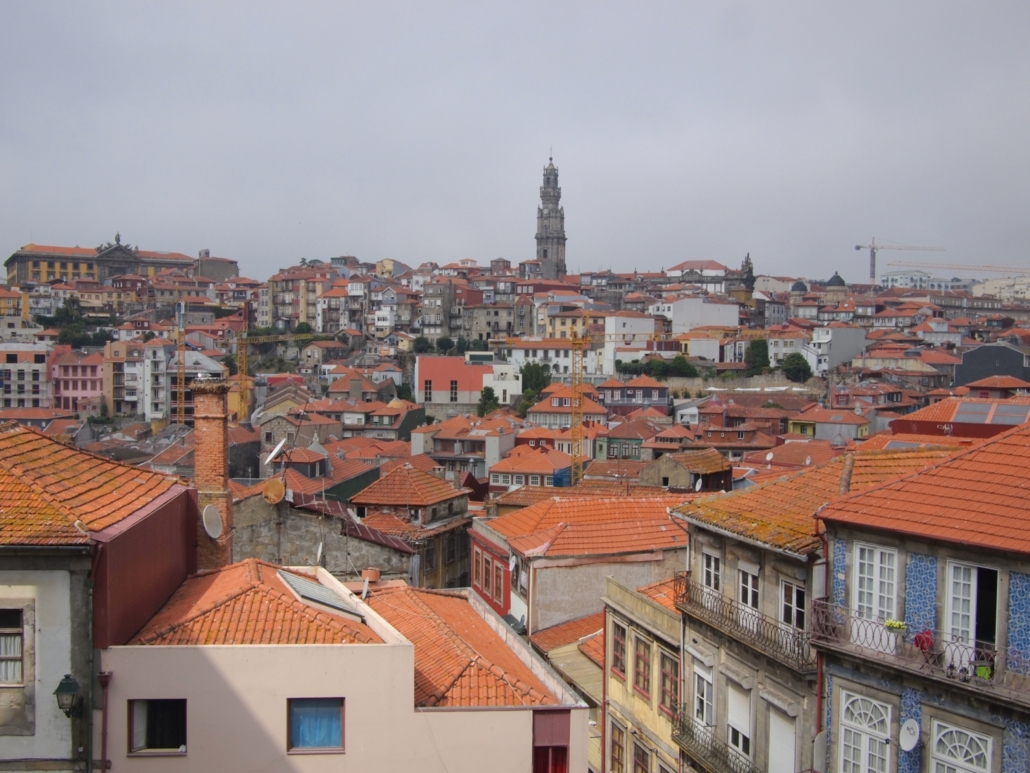
  • The most striking landmark of Porto is the Torre dos Clérigos (1754-1763), a baroque tower.


  • Other highlights of Porto include the formidable 12thcentury Sé cathedral, the two-storied Dom Luis Bridge (1881-1887), the Crystal Palace (1865), the Serralves Museum of Contempory Art (1999) and the prominent Port wine lodges dominating the hillside of Vila Nova de Gaia.


Come and visit Porto and Portugal on one of our private Portuguese Culture, Food and Wine Tours to see the wonderful historic treasures and fascinating culture of this country, taste port wine, local foods and much, much more!

Lisbon


Strolling the hills of the charming Olde Worlde Lisbon with our charismatic guide as part of your Luxury Lisbon Getaway with us, you will learn, amongst others, the following fun facts about this beautiful city:


  • Lisbon is the Capital City of Portugal.


  • The Vasco da Gama Bridge over the Tagus river in Lisbon is 10.5 miles (17 kilometers) long, making it the longest bridge in Europe.


  • The Tagus is Iberia’s largest river and its estuary at Lisbon, which is up to 14km wide, is thought to be big enough to hold all the warships in the world.


  • The world record for the largest dining table was set when some 15,000 people were served lunch on the Vasco da Gama bridge as part of the inauguration celebrations. Construction began in 1995 and the bridge was opened to traffic in 1998.


  • Lisbon was struck by an immense earthquake (approx.  9.0 magnitude) on the 1st of November, 1755.  It was followed by a tsunami and fires that brought the city to rubble. The tremors were felt as far away as Scotland and Norway!


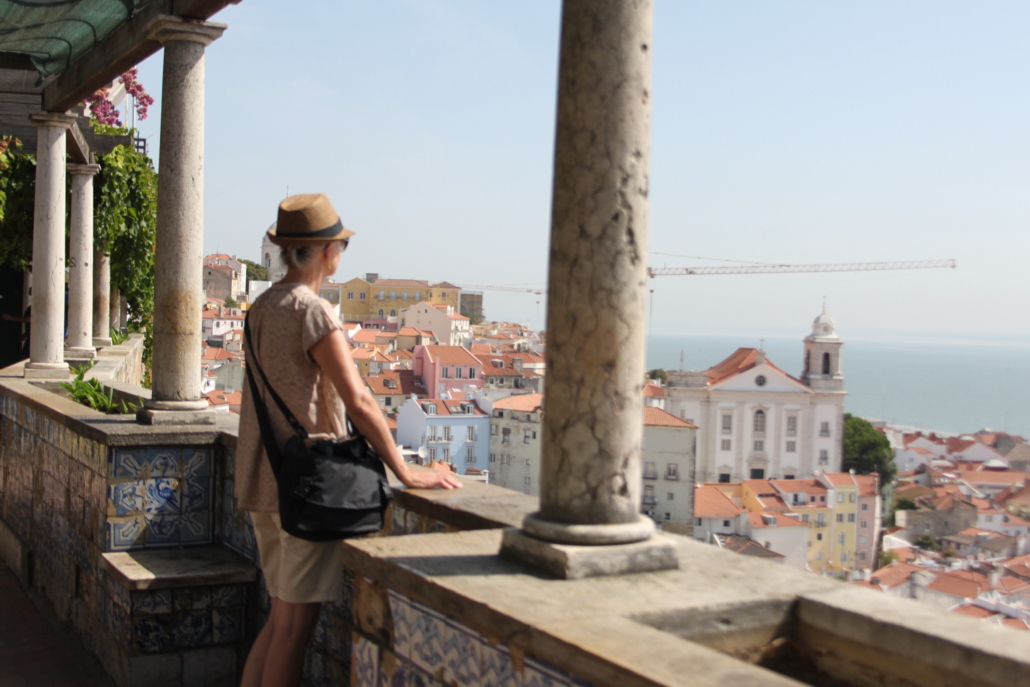
  • The Alfama area of Lisbon is the city’s oldest district and was the only area of Lisbon to survive, relatively unscathed, in the 1755 earthquake.


  • Fado (fatein Portuguese) is a music genre that originates in urban Lisbon. It’s a type of mournful and heart-touching folk music sung by the common people. The music genre was recently added to the World’s Intangible Cultural Heritage list.


  • Lisbon’s trams were originally called “americanos” and the first operational route was inaugurated on 17th November 1873.


  • Lisbon is also known as “the town of seven hills”. The seven hills comprise of: Castelo, Graca, Monte, Penha de Franca, S.Pedro de Alcantara, Santa Catarina and Estrela.


  • Lisbon Moorish castle, now called São Jorge (St. George) was built in honor of the English alliance of 1386.


  • ‘Sport Lisboa e Benfica’ or simply, Benfica, holds the Guinness World record, since 2006, for the most widely supported football club in the World.


  • The Santa Engrácia church is in the Guinness Book of Records for being the church that took the longest time to construct. It started in the 17th century and ended with the last dome being completed in 1966.


Visit Lisbon and Portugal on one of our private Portuguese Culture, Food and Wine Tours to see the wonderful historic treasures and fascinating culture of this country, taste port wine, local foods and much, much more!

20181231_150715The quaint, historic city of Faro is a great place to stop by to discover lessor known, local gems, without there being too many tourists. Faro has an up-and-coming feel hence is an amazing place to take advantage of, yet at the same time, with a more relaxed feel, than the bigger cities further north. If you have time spare or alternatively want to add an extra day to your luxury Purely Portugal trip, make sure to stop in Faro and enjoy the quieter Portuguese beauty on offer, you won’t be disappointed!
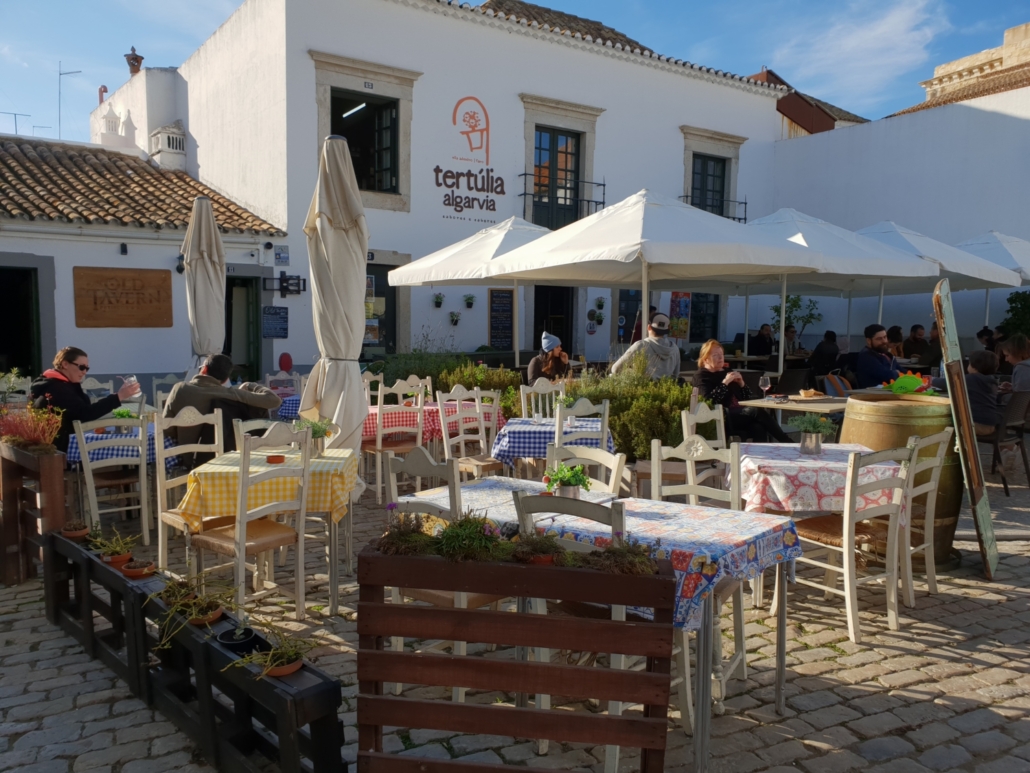
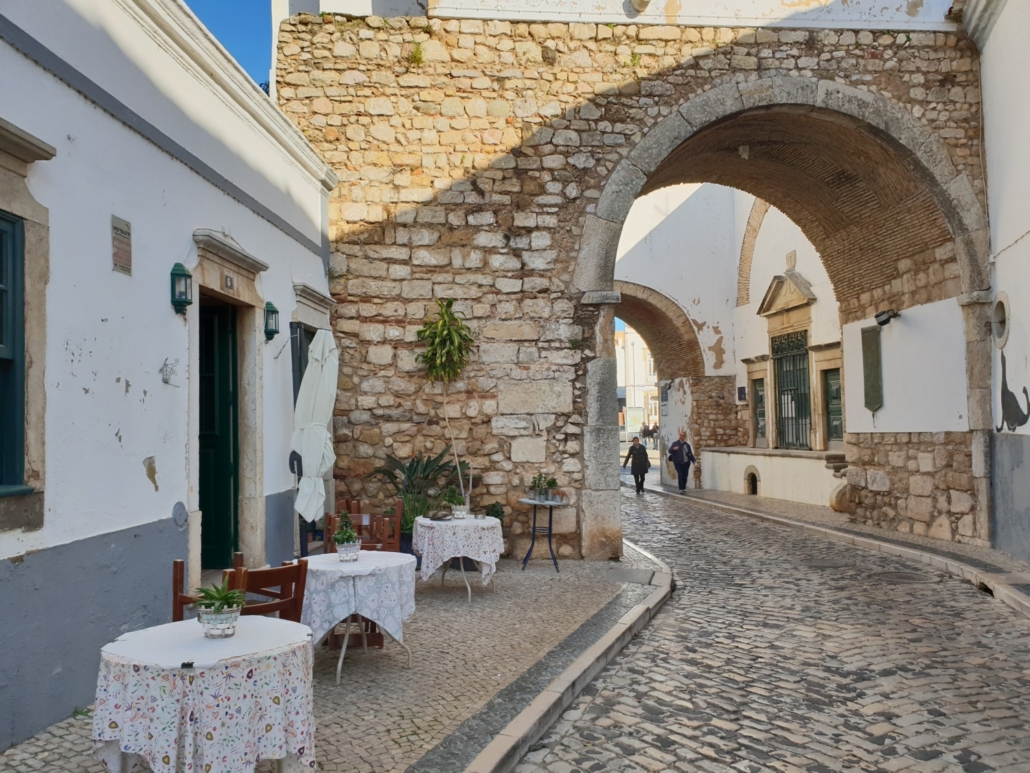
There is no shortage of fascinating, historical influences that can still be seen today. From the likes of the Moorish influences on the 17th Century stone wall entrance, which still partly encloses the city (Muralhas de Faro) through to the Gothic Cathedral which was constructed on ancient Roman ruins (this, amazingly, was previously a mosque), you will blown away by the history of this small city. It is also worth going up the tower in the Cathedral to see a bird’s eye view over the beautiful region.

The old town (Vila Adentro) is easy to get around by foot and is filled with characteristic buildings, cobbled streets, a typical Portuguese food market (Mercado Municipal de Faro), delicious local restaurants and boutique shops. It is easy to feel somewhat like a local in Faro’s  friendly and welcoming city, it seems that some tourists don’t realise what this unique place has to offer.

Sampling the local cuisine is a must do, there are some beautifully simplistic dishes that will tantalize your taste buds. The local food doesn’t come much fresher than succulent grilled sardines, clams and cockles in garlic olive oil, for example, or piri piri chicken. Last but not least, you can’t miss the mouthwatering sweet treat; Pastel de Nata (best served hot) which can be found in typical Portuguese bakeries, often appearing in street windows.

Faro also has an intriguing artistic and archeological history which can be seen in the beautiful Municipal Museum, a former convent. Here, you will witness the Roman influence in the first room through to the Latin in the second, and lastly Islamic in the last, taking you back deep in history to the diverse cultures and styles. It is a beautiful building not far which is worth a visit.

Another ‘not to be missed’ gem is the tranquil beach called Ilha Deserta, a perfect way to un-wind and escape the heat for a dip in the transparent waters.  A short boat ride from the old town will get you to the golden sanded beach, an incredible seven kilometers long, you will be sure to find a perfect spot! If you love gorgeous beaches and serenity, then this is a must visit.

For more information and inspiration regarding luxury tours in Portugal visit Purely Portugal


20181231_151014

The Dream of Pôpa:

Once upon a time a local named Francisco Ferreira, had a dream, he wanted to own his very own vineyard in the picturesque Douro Valley. Francisco, nicknamed Pôpa, was the illegitimate son of a wealthy winemaker, although his veins too, were filled with the wine and soil of the Douro. Pôpa worked hard and helped his mother on his father’s vineyard by carrying grape filled baskets to the old lagares (wine presses).  Pôpa was a simple soul and lived in sadness, hoping that one day his father would recognise him as his child.  All the while Francisco dreamed of owning his own estate and producing his own wine, a dream he unfortunately never managed to fulfil in life.

Fulfilling the Dream Generations Later:

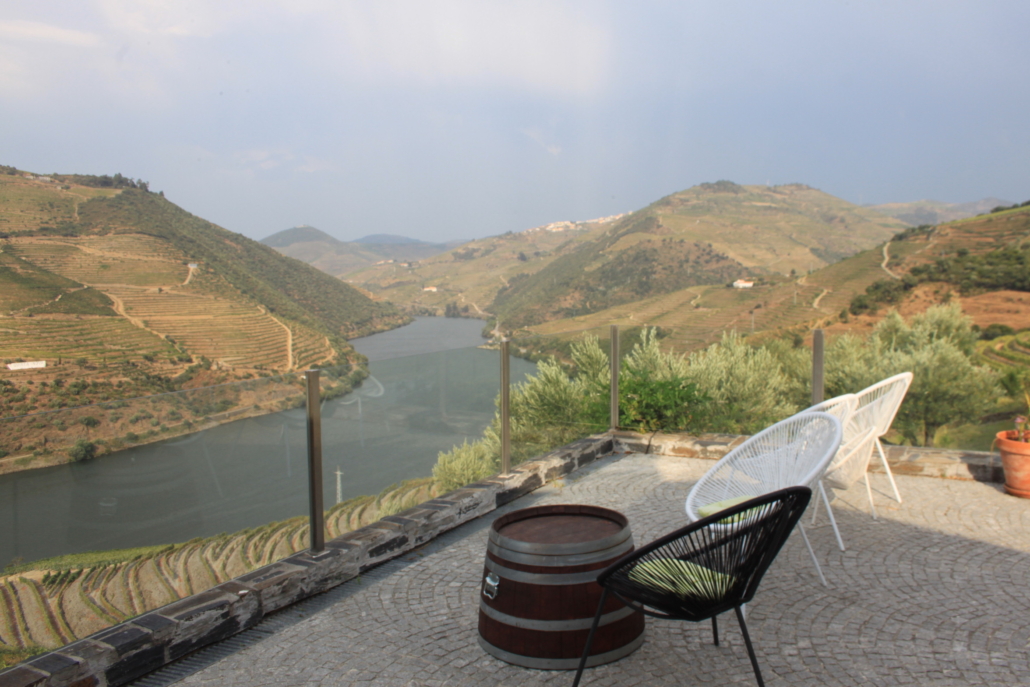
In 2003, however, his son, José Ferreira, also known as Zeca do Pôpa, fulfilled the dream of his father, a dream that had also been passed on to him. He started to put together smallholdings, common in the agricultural structure of northern Portugal, and acquire small plots of mostly old vineyards, as well as planting new vines and olive groves. The vines planted on the terraced hills above the magnificent Douro River, were blessed with a favourable climate and a high quality soil.

As time passed a true vineyard was formedin one of the best and oldest wine region in the world. José named the vineyard in honour of his father, Quinta do Pôpa! Built with both great economic effort and enthusiasm, the first harvest took place in 2007. Today, Francisco’s grandchildren, Stéphane and Vanessa Ferreira, head the team at Quinta do Pôpa, keeping the wheels turning with enthusiasm, charisma and commitment to produce signature wines in the family name.

The estate now occupies 30 hectares of land, 14 of which are vineyards. Both sophisticated techniques and traditional methods are used, and despite the small number of years that Quinta do Pôpa has been active; this young estate has now established itself as a quality winemaker! A fascinating history, warm welcome, fantastic views and great wines await you at Quinta do Pôpa! We will be delighted to include a visit to Quinta do Pôpa for you in your private tour or in any of our sample itineraries that take in the beautiful Douro Valley, Portugal.

Special Edition Products to Delight your Senses:

QUINTA DO PÔPA HOMENAGEM: The tribute of tributes, named in honor of Francisco Ferreira! This powerful and robust red demonstrates good structure and complexity.

PÔPA TINTO DOCE:  The 1st Sweet Red Wine from the Douro which is a tribute to the women of the Pôpa Family.

PÔPA VV:  Made exclusively out of the old vines, aged over 80 years, and trodden by foot, this complex red wine is simply called VV, for Vinhas Velhas (old vines).


How does one begin to summaries the greatness of what Port has to offer. This vibrant, charismatic city is full of life, history, culture and of course delectable food and wine! If you are wanting somewhere that will give you the ‘wow factor’ Porto is an absolute gem, sharing fascinating snippets from Medieval and Roman influences. The old world charm will pull on your heart strings and have you wanting to come back before you have even left.  Learn more and be inspired with our  PURELY PORTUGAL  itineraries,  to experience the best of what Porto has to offer!

Porto View

There is a good reason why Porto has won the ‘peoples’ vote for three years (2012, 2014 & 2017) as the best place to visit in Europe. From the hustle and bustle of the Art Nouveau cafes, such as the stunning Café Majestic, to the spectacular 19th Century construction of the Dom Luis I bridge which was worked on by Seyrig and Eiffel (prior to the Eiffel tower), there is no shortage of elegance! From the old iron bridge make sure you get your camera ready for the incredible views of the historic city and Douro River when the sun starts to set, feel the romance of the city!

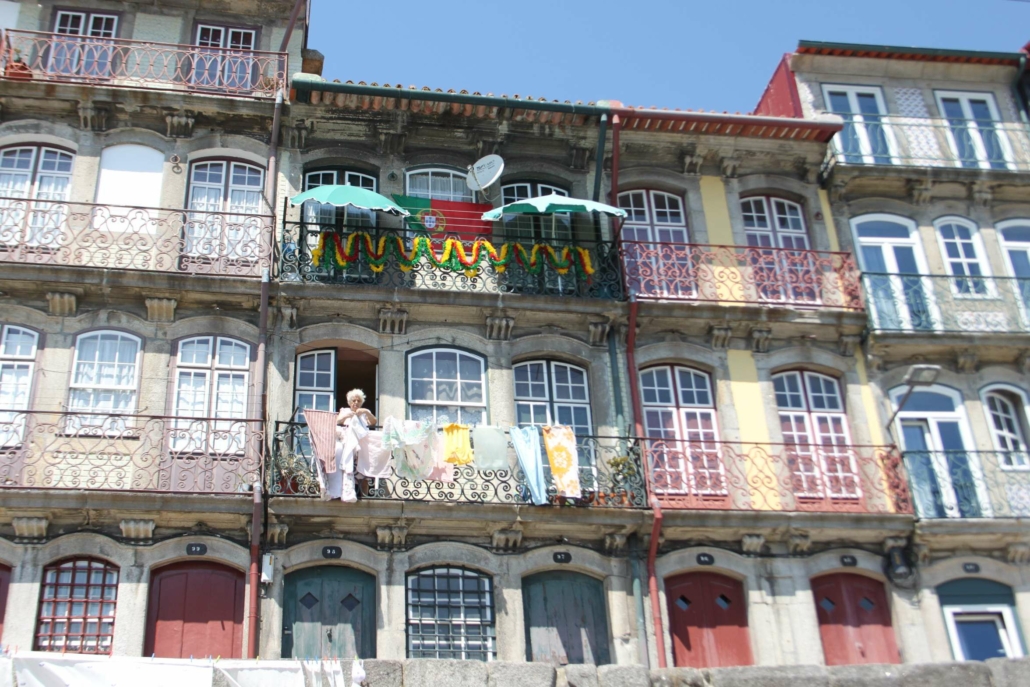
What helps to make Portugal even more unique are the fascinating Azulejo ceramic tiles. You will notice the beauty of this art on the facades of apartments, buildings and over the streets of Porto. The most impressionable work is displayed at the São Bento railway station, Igreja de Carmo and Igreja de Santo Ildefonso (two fascinating churches), which displays thousands of, mostly blue and white, tiles transformed into beautiful mosaics. Take moments to not only ‘view’ the Azulejo tiles but to also study them. Let the tiles take your imaginary on a time travel back to Portugal at that point in time.

Allow yourself to be inspired by the intriguing world of the Neo-Gothic craftsmanship.  An example of this incredible detail is famously seen in a bookstore from 1906, by the name of Livraria Lello. This one of a kind bookstore will have you in awe; it is a truly unique and fun experience. When you enter Livraria Lello you easily begin to imagine how JK Rowling was inspired by one of the most beautiful bookstores in the world when she was began creating the Harry Potter series. Porto is not short of unique Neo-Gothic architecture to keep you fascinated along your journey!

Porto is one of the leading gastronomic cities in Portugal with a mind blowing, mouth watering variety. Catering to everyone’s tastes all hours of the day you won’t go short of delicious restaurants or cafes. Make sure you leave your comfort zone for at least one local meal to try a signature dish such as Tripe (Tripas a Moda do Porto) or Cozido or Caldo Verde. Typical Portuguese dishes are commonly described as comfort food so make sure you arrive hungry! Also, it would be a crime to leave without getting a typical Portuguese custard tart, Pastéis de nata, to tantalise your taste buds so don´t miss this gem!

If you’re a meat lover, then don’t shy away from trying the mouth watering Francesinha, one of the most typical dishes of Porto. This epic sandwich stack has multiple layers of different meats including ham, roasted pork, sausage and beef between slices of bread. The sandwich doesn’t end here; it is then smothered in cheese and completed by being drenched in a rich sauce (which is a hidden secret at each restaurant) that includes the likes of whisky, brandy and beer.  This is a unique, fun and local food experience that would be a shame to miss! Make sure you allow recovery time.

A fantastic quarter not to miss by foot is walking from the antique neighbourhood of Ribeira, packed with vibrant restaurants and café, to the Cathedral (Porto’s Sé Catherdral). This is a great place to be inspired by the beautiful medieval influences along the long windy streets. It was here that Henry the Navigator was born so take advantage of visiting his historic house if you can. The Clerigo’s Tower is also well worth the walk up the 222 stairs for breath taking views over the electric city. Be sure to also visit the spectacular  Palácio da Bolsa which dates back to the 19th Century. It is renowned for its incredible neoclassical façade, gilded Arabic hall and stairs that took 40 years to carve by hand, this is a fascinating experience!

In Vila Nova de Gaia you will find the stunning Porto Wine Lodges with magnificent views over the Douro River. Porto is famous not only for the delicious Port wine which is derived from the beautiful Douro Valley but also Vinho Verde (which directly translates to ‘green wine’), which is made even closer to Porto. To sample these traditional wines visit reputed wine lodges such as Grahams, Croft or Taylor,, you won’t be disappointed! Keep your eyes peeled for an up and coming project called ‘The World of Wine’ that is expected to open in 2020 which will consist of a wine school, cork and design museum, multiple new restaurants and retail.

Get further acquainted with this vibrant city with our  PURELY PORTUGAL tours!


The leading French wine region of Bordeaux is THE place for the wine lover and home to some of the most sought-after and expensive wines in the world!! With more appellations than any other wine region in the world, incredible wineries, impressive wine chateaux and more than 7000 wine producers and 13,000 wine growers,  you cannot be bored in Bordeaux :-)


IMG_6192

Bordeaux’s reputation as a great wine region rests on its most superb reds, legendary and long-lived wines made by historic wine estates (chateaux), which can improve for several decades. About 75 to 80 percent of Bordeaux’s wines are red, with Cabernet Sauvignon and Cabernet Franc, which give vigor, tannin and excellent cellaring qualities, and Merlot which brings a softness and suppleness. White wines are produced mostly from Sauvignon Blanc and Semillon and sometimes also Muscatel.

Bordeaux spreads 60 miles around the city, of the same name, on the biggest estuary in Europe along 3 rivers: Gironde, Garonne and Dordogne, creating the appropriate setting for wine production.

Bordeaux has 60 separate, distinct, unique appellations but the most famous and important appellations, from North to South, are the Medoc, also known as the Left Bank, Pessac Leognan and the most prestigious regions of the Right Bank: St. Emilion and Pomerol and Sauternes and Barsac.

The Medoc or the Left Bank

The Medoc is perhaps the most famous Bordeaux appellation and here you will find the famous appellations of Saint-Estèphe, Pauillac, Saint-Julien, Margaux, Haut Medoc, Listrac, and Moulis.

This is the region of the legendary Grand Cru Classé 1855 and Cru Bourgeois and is home to the famous First Growth estates and big chateaux that make breathtaking wines, with prices to match. Smaller, more modest, chateaux can also be enjoyed as they  can also make some of the world’s most compelling wines.

The beautiful chateaux route or “Route des Châteaux” will find you passing more magnificent châteaux, famous wineries and vineyards than any other wine route and include such estates: Lafite, Mouton Rothschild, Margaux, Pichon-Longueville and Cos d’Estournel.

The Cabernet Sauvignon grape rules here on the gravely soil and ripens to perfection and is blended mostly with Merlot to provide a structured, aromatic and harmonious wine.

IMG_6184

Pessac-Léognan

Pessac Leognan, before 1987, was originally known as Graves, due to the gravely soil on which the vines grow.

Branded as the “cradle of Bordeaux-wines” some of the chateaux date back to the middle Ages and very particular to this appellation is that some chateaux and their vineyards are situated in the suburbs of the city of Bordeaux!

Pessac Leognan produces some of the most elegant, refined, perfumed and age worthy wines in all of Bordeaux. And not only sublime red, Bordeaux wine, but the appellation is also known for producing the best dry white wine, primarily from Sauvignon Blanc and Semillon, in the entire Bordeaux region.

IMG_6345

Pomerol and St. Emilion

Saint Emilion and Pomerol are the most important Bordeaux appellation’s of the Right Bank, home of Merlot and Cabernet Franc.

The chateaux may not be as big and grand as the top chateau of the Medoc but the wines are equally stunning – often called opulent, rich and decadent – and can be even more expensive.

Pomerol is a small appellation with big wines.  The wines are sometimes made of 100% merlot thanks to the special clay soil of Pomerol with iron layers and accompanying microclimate.

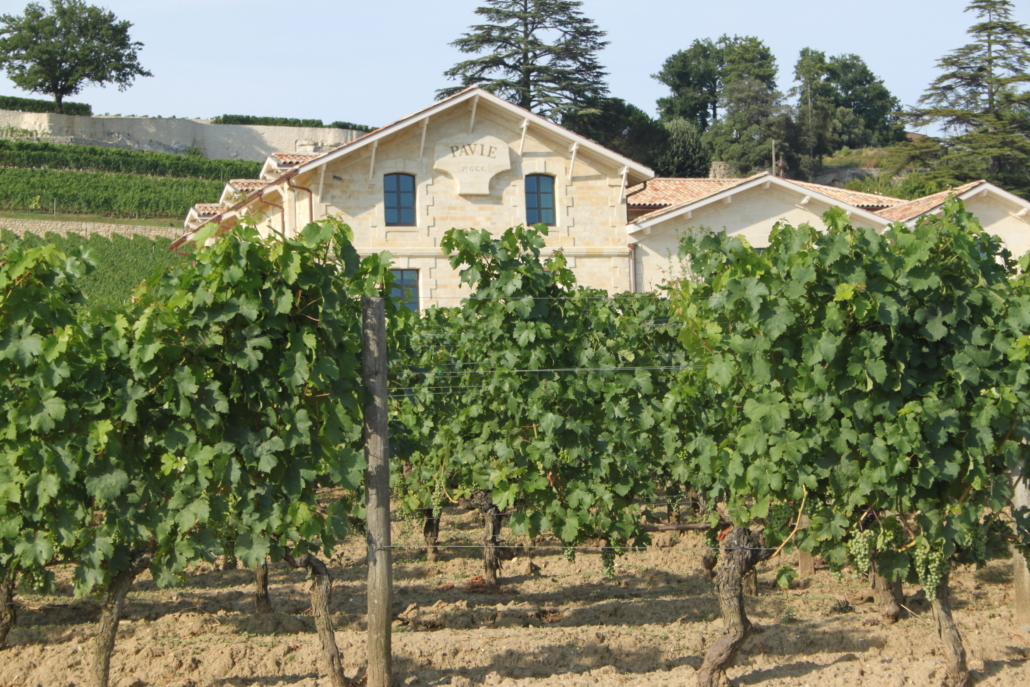
Saint-Emilion is as well-known for its medieval village as for its wine. The Grand Cru Classé chateaux from Saint-Emilion as well as the lesser known chateaux are notably smaller than in the Médoc but they still make delicious wine with great finesse.

Saint Emilion actually consists of two appellations, St. Emilion Grand Cru and St. Emilion and also situated nearby are the appelations of Puisseguin St. Emilion, Lussac St. Emilion, Montagne St. Emilion and St. Georges St. Emilion – known as the St. Emilion Satellite Appelations.

Saint-Emilion is also an exceptionally attractive small town with the history of the town dating back almost 2000 years when the Romans planted vineyards here as early as the 2nd century AD. However, Saint-Émilion itself dates from the 8th century when a Breton Monk called Emilion came to settle here in a hermitage carved into the rock. The cave where he lived from 750 – 767 AD subsequently became a pilgrim destination.

To really appreciate Saint-Emilion you need to descend underground to see the catacombs which were used for Christian burials from the 8th to the 10th century; a ‘monolithic’ church that was carved out of the rock in the 9th century and the ‘grotte de l’Ermitage’ in which Saint-Emilion spent the last 17 years of his life.

IMG_6131

Sauternes and Barsac

In the Sauternes region of Bordeaux, there are five villages, of which Barsac is the only one that is allowed to use the village name to identify the famous sweet wines of the region, produced from rotten grapes.

Known around the world for producing some of the best sweet, white wines from any wine region,  in general, Sauternes tends to be a little fuller than Barsac, which has higher acidity.

It is difficult to make good Sauternes and Barsac, as the noble rot of the grapes is essential, so as not to ruin the grape but dry it out, for which the special microclimate with fog in the morning and sunshine in the afternoon.

Other Bordeaux appellations also produce sweet wine but not to the level of the Sauternes appellation – the dominant producer, with close to 50% of all the sweet wine made in Bordeaux.


IMG_6412

Join us on a wonderful private wine tour to include Bordeaux such as our sample Essentially Wine – Spain & France Tour and you too could raise your glass with a “santé” and sip fine wine along the left bank of the Gironde !

The province of Girona (North of Barcelona) in Spain is one of the world’s major food and wine destinations and a region at the forefront of culinary innovation – El Bulli (near the town of Roses, now closed but many local chefs trained here) was 5 times awarded the World’s Number One Restaurant and El Celler de Can Roca (in Girona city) has been awarded the World’s Number One Restaurant twice (in 2013 and 2015) and is the current Worlds Nº3 Restaurant.

The Emporda region of Spain is located within the province of Girona on the Costa Brava. Medieval villages, pine-clad hillsides sloping down to crystal clear bays and picturesque fishing villages make up this enchanting region; it’s a wonderful place to explore, enjoy the natural countryside and indulge in delicious local cuisine.

The gastronomy of the Emporda region is rich and varied with a cuisine classed as ‘sea and mountain’, as local produce comes from both the land and the sea.  You will surely enjoy indulging in the delicious star products such as:  Freshly caught Mediterranean fish, Prawns from Palamós, Anchovies from L’Escala, Rice from Pals , DOP Emporda Olive Oil and DO Emporda Wines to name a few. Dining here is not just about eating and drinking, it is a way of life!

Not surprising, therefore, that Michelin have dished out some stars here in the Emporda area of Girona with the likes of Michelin 2* Restaurant Miramar (Llançà) and Michelin 1* Restaurants: Castell Peralada (Peralada), Els Brancs (Platja de Canyelles Petites, Roses), Emporium (Castelló d’Empuries), Bo.Tic (Corça) and Casamar (Llafranc).

With such great standing and local produce the Emporda region is filled with great places to eat, making it difficult to single out the best!  Without a doubt the Michelin restaurants are all well worth a mention but here are just a few of our favorites,  that we should probably keep to ourselves, but we love to share :-)

Compartir, Cadaques

A great restaurant, opened in 2012, by 3 ex-Bulli chefs.  Modern well-presented small dishes to share (hence the name, as Compartir in Catalan means Share in English) are offered in a friendly and comfortable atmosphere. The style is contemporary cuisine, based on the culinary tradition of the area. Booking is indispensable as it is the trendiest place in the area.

In 2014 Chefs Oriol, Eduard and Mateu opened another restaurant, but this time in Barcelona, Disfrutar (“Enjoy” in English) and it has already been awarded with its second Michelin Star (for the 2018 Michelin Guide to Spain & Portugal). Will Compartir soon be able to share a Michelin star status with Disfrutar? We think it is just a matter of time :-)
Compartir

Mas Pou, Palau-Sator

A wonderful local restaurant housed in a 16th-century stone farmhouse in a sleepy medieval village. This authentic and rustic restaurant is family run and serves truly Catalan food, all delicious, traditional and great value. If you’re stuck for a decision on a starter then try their “pica-pica” which is an array of small dishes and a great opportunity to taste various Catalan dishes and produce.  You will certainly not leave here hungry :-)

Mas Pou

Entre Dos Mons, Palamos

This fantastic little and elegant place is ideally located in the middle of the restaurant area of Palamos and only opened in spring 2016. Translating to English as “Between two worlds” the name refers to the young and talented owners and the cultures they were raised in – Peruvian and Catalan. The result is a cuisine that draws inspiration from their childhood memories as well as from influences acquired over the years. Beautifully presented dishes and sophisticated desserts alongside excellent service are guaranteed at this fabulous fusion restaurant.

Entre Dos Mons


Can Dolç, Sant Feliu de Boada

Located in a quiet and peaceful rural village, next to the stone-house-surrounded church, this old-fashioned restaurant literally translates as “The Sweet House”. This must surely refer to the delicious homemade desserts as their house specialty is Grilled Meats or “Carns a la Brasa”.  Nothing fancy, just authentic local dishes, quality meat, great variety of appetizers, homemade desserts and an extensive wine list, all accompanied by a charming rural atmosphere, will find you enjoying excellent Catalan cuisine.

Can Dolç


Villa Teresita Restaurant at Hostal Empuries , Empuries

This delightful restaurant is the gastronomic offering of a delightful and romantic little hotel just on the Empuries beach (near L’Escala), with a lovely terrace providing picturesque sea views. Chef focuses on eco-Mediterranean cuisine using local and home-grown produce to combine Mediterranean sea-fare and innovative recipes. Not surprisingly, due to its prime position in the bay of Roses next to the fishing port of L’Escala, the fish dishes are exceptional.

Hostal Empuries


We have many great dining opportunities for you all over Spain, Portugal and SW France.  Any of our sample private Gourmand Breaks Private Food, Wine and Cultural Tours gives you the chance to sample all kinds of restaurants from fine-dining and Michelin stars to authentic haunts and tapas haunts – contact us for your personal quote!

DSC05670

Welcome New Year!

One we hope is full of cheer

And of far travels for you

And great experiences too!

Dream that two thousand 18

Brings you sights you’ve not seen?

And tastes of local food,

Or dining a la Michelin mood?

Dream of Portugal, Spain,

Stroll a French country lane?

Take a walk through the vines

And sip fine top class wines?

Well, there’s no need to dream,

Contact your Gourmand Breaks team

As we’ve got lots to share

To take your dream there.

Nerua Interior

IMG_7227


At Gourmand Breaks we are specialist Food, Wine and Cultural Private Tour creators, custom designing exclusive trip itineraries just for you!

On our website you will find many great sample Food, Wine and Cultural Private Tours in Spain, Portugal and SW France, to give you ideas. But, remember, while these samples are all “ready to wear” we can modify any to suit your preferences or build your personal ideal Private Food, Wine and Cultural Tour Itinerary from scratch!

Don’t delay, contact us today :-)