7 years ago to the day, on the 7th of July (the 7th month) in 2007 the 7 Wonders of Portugal and the NEW 7 Wonders of the World were announced. There are many Wonders of the World but officially there are only 7.  Seven is the magic number and Portugal is no different with a list of national cultural wonders named The Seven Wonders of Portugal.
 

On July 7th 2007 and after a six month long public election to select the top seven wonders of Portugal (votes could be cast by internet, phone or SMS) the results were announced at the Estadio da Luz in Lisbon.

From the initial 793 proposed monumental candidates, in the first round a board of experts reduced the number to 77 and then further reduced it to 21 finalists.

The Seven Wonders of Portugal are:

  • Castle of Guimarães, 10th century – Guimarães, Braga
  • Óbidos Castle, 1195 – Óbidos, Leiria
  • Batalha Monastery, 1385 – Batalha, Leiria
  • Alcobaça Monastery, 1153 – Alcobaça, Leiria
  • Jerónimos Monastery, 1502 – Santa Maria de Belém, Lisbon
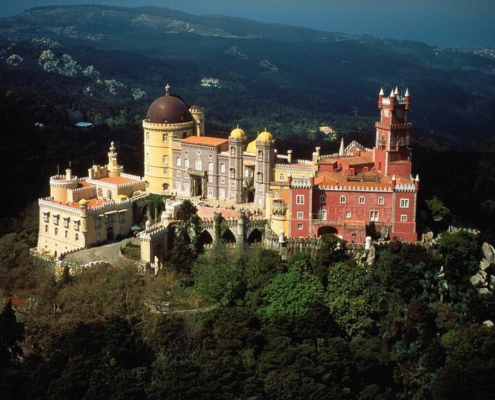
  • Pena National Palace, 1838 – Sintra, Lisbon
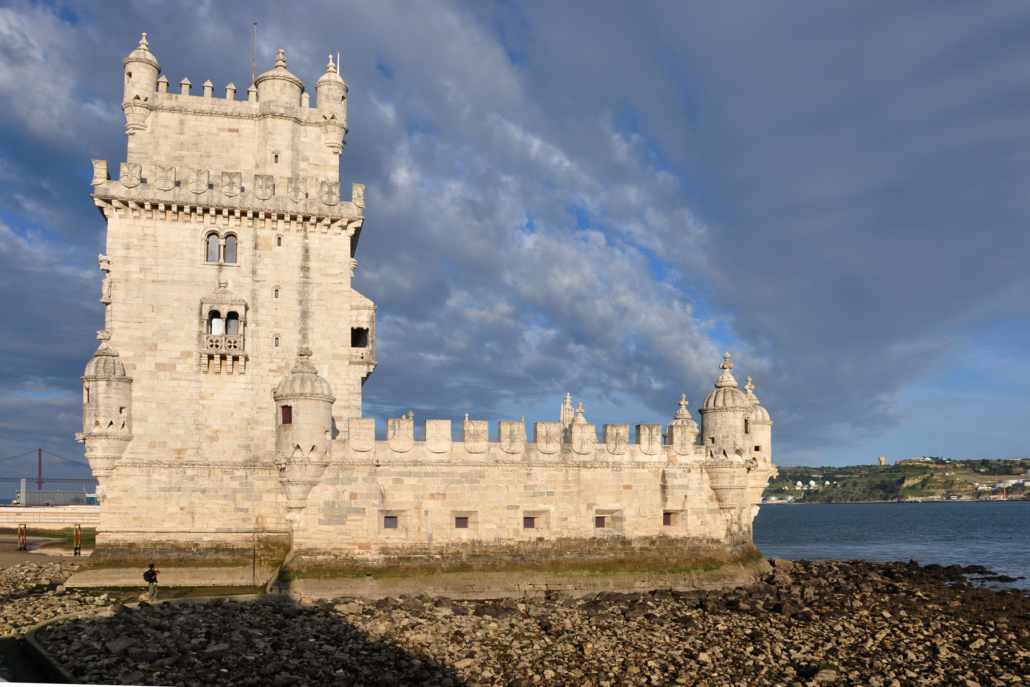
  • Belém Tower, 1521 – Santa Maria de Belém, Lisbon


The Seven Wonders of Portugal announcement was held just before the global New Seven Wonders of the World contest, organized by the New7Wonders Foundation, which was  celebrated on the same day and in the same place on July 7th, 2007 in Lisbon.
The New7Wonders Foundation was established in 2001 with the initiative to choose the New 7 Wonders of the World from a selection of 200 existing World monuments. When the 21 finalists were finally announced the Egyptians were upset that the only surviving original wonder of the 7 Ancient Wonders of the World, their Great Pyramid of Giza, would have to compete with “new kids on the block” like the Statue of Liberty, the Sydney Opera House and the Eiffel Tower. In response, Giza was named as an honorary Candidate and the Giza Necropolis in Egypt 2589 BC, was granted an honorary title.

The NEW Seven Wonders of the World elected by more than 100 million votes

  • Great Wall of China – 700 BC – China
  • Petra – 312 BC – Ma’an Governorate, Jordan
  • Colosseum – 70 – Rome, Italy
  • Chichen Itza – 600 – Yucatan, Mexico
  • Machu Picchu – 1438 – Cuzco, Peru
  • Taj Mahal – 1632 – Agra, Uttar Pradesh, India
  • Christ the Redeemer –1926 – Rio de Janeiro, Brazil


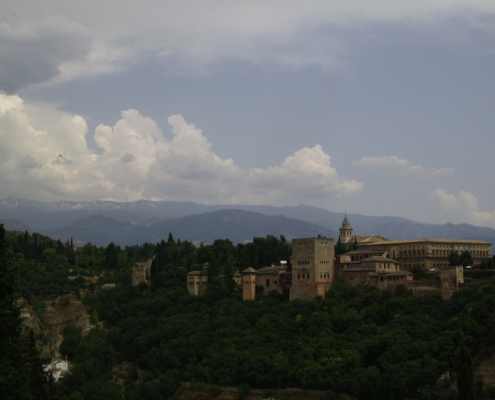
Still Wonders of the World, even though not under the “7” title, some of the finalists included: the Acropolis of Athens 447 BC, the Alhambra in Granada 1333, the Eiffel Tower in Paris 1887, Stonehenge in the UK 2400 BC, Moscow’s Red Square 1561, New York’s Statue of Liberty 1886 and Sydney’s Opera House 1959.
 

The ORIGINAL Seven Wonders of the Ancient World were:

  • Great Pyramid of Giza
  • Hanging Gardens of Babylon
  • Temple of Artemis at Ephesus
  • Statue of Zeus at Olympia
  • Mausoleum at Halicarnassus
  • Colossus of Rhodes
  • Lighthouse of Alexandria


In 2007 The New7Wonders Foundation launched the New7Wonders of Nature, which was the subject of voting until 11 November 2011 and is a list of natural wonders and includes:

  • The Amazon Rainforest and River
  • Ha Long Bay – Vietnam
  • Iguazu Falls – Argentina and Brazil
  • Jeju Island – South Korea
  • Komodo National Park – Indonesia
  • The Puerto Princesa Subterranean River National Park – Philippines
  • Table Mountain – South Africa


The current project of the New 7 Foundation is the New7Wonders Cities, with the results due to be announced in December 2014.


Discover the Wonders of Portugal on a Private Food, Wine and Cultural Private Tour of Portugal with a chance to visit the delights of Lisbon as well as the National Pena Palace in Sintra.
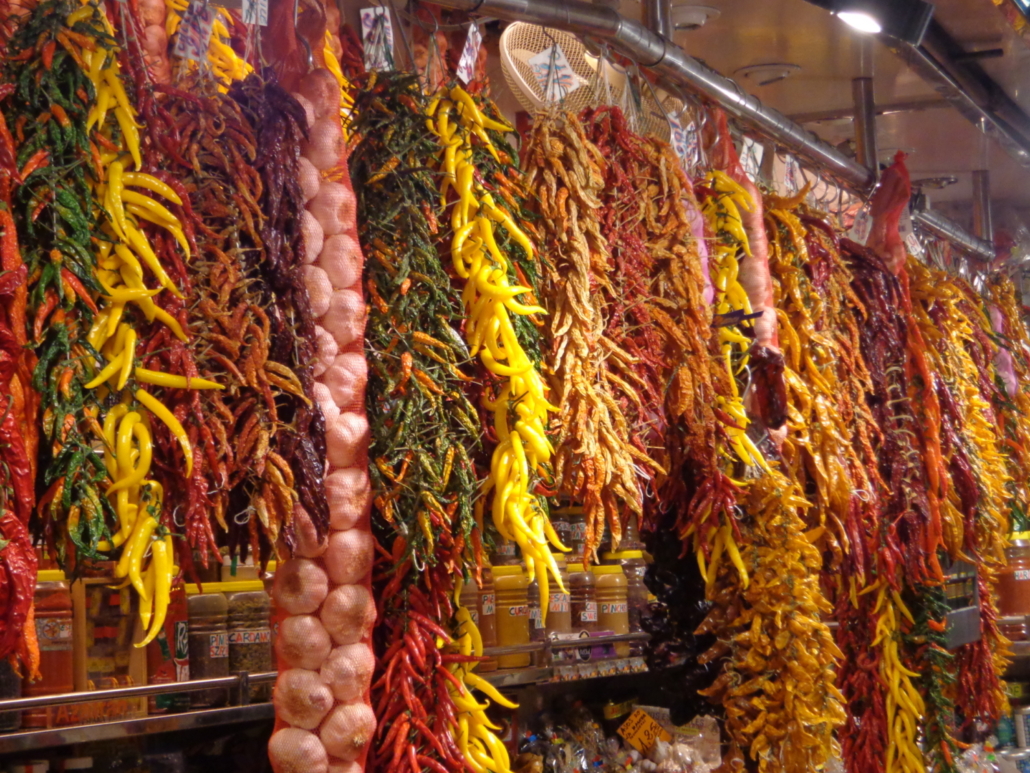
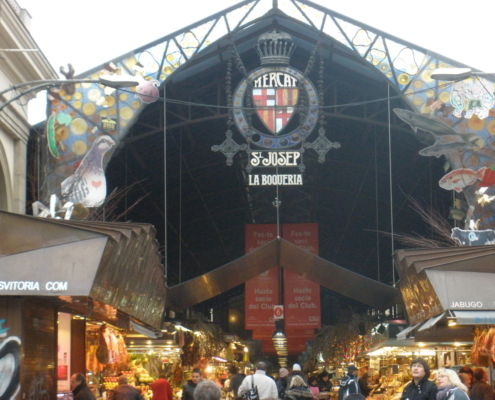
Where do you go to get a real feel for for your destination? Somewhere to breathe the life and soul of the place you’re visiting and revel in the sights and delights of it’s everyday life? The Market of course! Every city has one (or more) and Barcelona is no different as it plays host to the largest marketplace in Spain – La Boqueria Market – Probably the Best Market in the World!

The ‘Mercat de Sant Josep de la Boqueria’, most simply referred to as La Boqueria, is Spain’s most important market place offering the freshest and most diverse selection of produce from all over Europe, arriving by sea or from the nearby fertile farmlands. La Boqueria Market is an institutional icon of Barcelona and, not only a market to shop in, it’s a place to eat, drink, be merry, gossip and breathe in the life and soul of Barcelona.

Located in the mid Ramblas of Barcelona, this over 800 year-old icon is today a museum of the brightest, most curious and delectable foods that Europe has to offer.  In any season you can lose yourself in a wonderland of fruits, vegetables, meats, seafood, baked goods, nuts and sweets. But be warned: not only is it a kaleidoscope of colors, shapes and scents, it can also lead to taste-bud overload!

La Boqueria Market, in Barcelona, started life in the 13th century as an open-air, table-top,  market which, as La Rambla became an increasingly important pedestrian street, finally found it’s place in the best location to attract passers-by and locals. La Boqueria  Market was legally recognized in 1826 and construction of the official structure commenced in 1840.  A new fish market opened on site in 1911 and in 1914 the metal roof of La Boqueria, which still exists today, was inaugurated.

Today, through the maze of over 300 booths, the rainbow colors of local and exotic products will amaze you and your senses will heighten as you look from left to right and up and down.  An overwhelming feeling will envelope you and a sensation, as near as that of Alice in Wonderland or Charlie in the Chocolate Factory, will not leave you disappointed!

At Gourmand Breaks we frequently include la Boqueria market private guided  tours, for our guests, followed by fun and informative cooking classes with our professional chef as well as tastings at all the most authentic ´foodie´ hot-spots in the city!

Join us on a Private Food, Wine and Cultural Tour that includes Barcelona, like our Highlights of Spain, to see the delights of La Boqueria market.

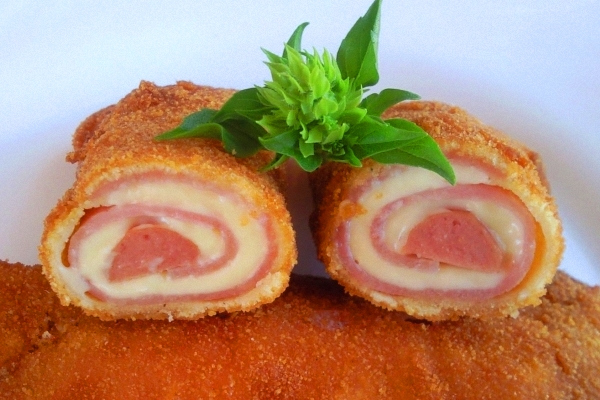
A Cordovan specialty, Flamenquin, literally translates as “small flamenco dancer” but, this typical dish from Cordoba is, basically, a fried meat, ham and cheese roll.  Flamenquin can be served with salad, fries or even as a tasty Tapa bite to eat.  For this recipe we have chosen a delicious Home-made Tomato Sauce so here’s a traditional Spanish Flamenquin Recipe for you to try at home – Enjoy! 

flamenquin

Ingredients for Traditional Flamenquin Recipe:

4 x150g veal or pork escalopes

8 thin slices of Serrano ham

100g Queso de Grazalema or Gruyère cheese, cut into 8 long sticks about 1cm thick

Olive oil, for shallow-frying

Plain flour, for coating

2 large free-range eggs, beaten

100g white breadcrumbs


And,  for the Home-Made Tomato Sauce Recipe:

100ml olive oil

1 large onion, finely chopped

4 garlic cloves, finely chopped

400g skinned, chopped tomatoes, fresh or canned

150ml chicken stock

3 bay leaves

1 tablespoon chopped oregano or marjoram

2 tablespoons small capers, rinsed and drained

25g pitted black olives, cut lengthways into strips

Sugar, salt and freshly ground black pepper


Method for Traditional Flamenquin Recipe:

Starting with the home-made tomato sauce, heat the olive oil in a medium pan.

Add the onion and garlic, cover and cook gently for 10 minutes until soft and lightly golden.

Add the tomatoes, chicken stock and bay leaves and simmer, uncovered, for 30-40 minutes, stirring now and then, until the sauce has reduced and thickened to a good consistency.

Meanwhile, flatten the meat escalopes by placing each one, in turn, between two sheets of cling film and with a rolling pin, gently flatten until uniformly thin.

Out of the cling film, cut each flattened meat escalope in half and season lightly on both sides.

Cover the pieces of meat with a slice of Serrano ham.

Lay the lengths of cheese across one short edge of each escalope and neatly roll them up to finally secure the rolls in place with a wooden cocktail stick.

Remove the bay leaves from the tomato sauce and discard, spoon half of the sauce into a mini food processor and blend until smooth, then stir it back into the pan with the oregano or marjoram, capers, olives and some sugar, salt and pepper to taste and leave to simmer for a further 5 minutes. Keep hot.

Meanwhile, pour 2.5 cm of olive oil in a deep saute pan or wide-based saucepan and heat to 170°C (use a cooking thermometer).

Dip the rolls first into the flour, then the beaten eggs and finally the breadcrumbs, ensuring they are well coated.

Add the rolls to the hot oil and fry for 5-7 minutes, turning them over frequently, until they are golden brown and cooked through.

Drain briefly on kitchen paper, carefully remove the cocktail sticks and serve with the tomato sauce.


Join us on a personalized private tour of Spain to taste Flamenquin in it’s home land and to enjoy the sights and delights of Cordoba.  Our Majestic Madrid and Authentic Andalusia Tour, lets you experience Southern Spain with the orange scented patios of Seville, Romantic Ronda, Grand Granada and Curios Cordoba, as well as Spain’s Majestic Capital!


Are you passing through Lisbon on your Portuguese Vacation?  Do you have free time to explore on shore while your Cruise is docked for the day?  If so, we would be delighted to welcome you on a Private Gourmet and Historical Tour of the city with our Officially Licensed Guide.

Here’s what can you expect on a Gourmand Breaks Day Tour in Lisbon:

Your experienced, Officially Licensed guide, will be waiting at your hotel, or will meet you from your cruise ship, to take you on a Private Gourmet and Historical Tour of the city.  You will be introduced to the Portuguese culture, cuisine and its incredible mix of Mediterranean tradition and exotic influences from all corners of the World.  Get ready to see the sights and excite your taste-buds!

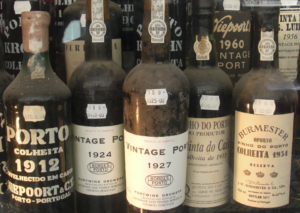
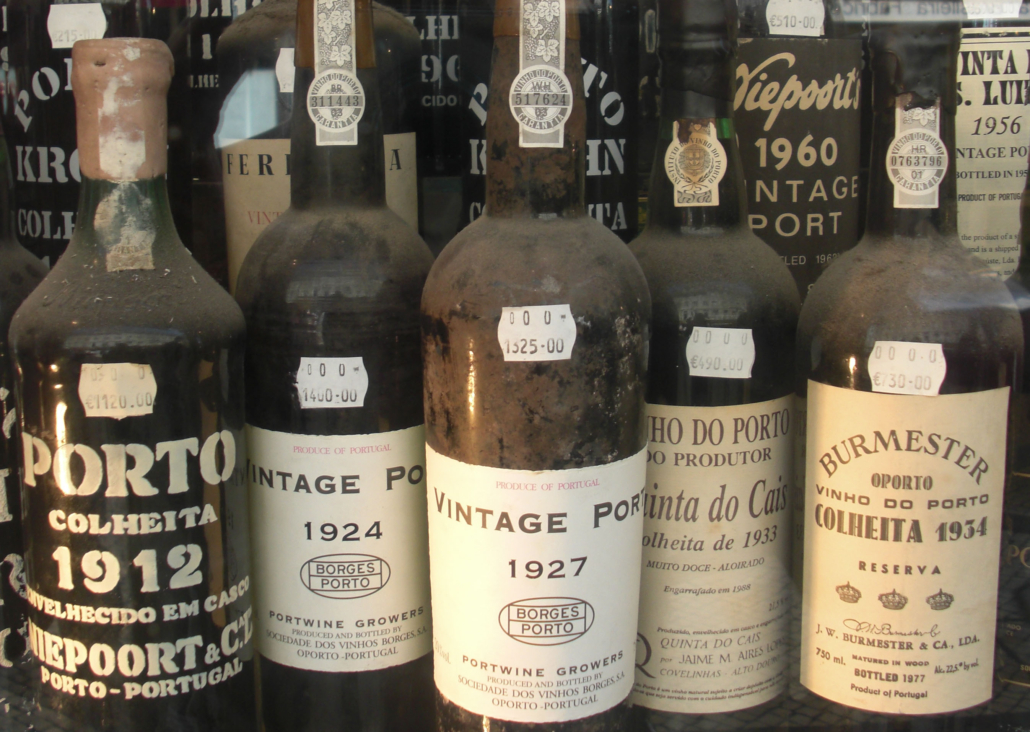
You will start with Lisbon’s great Cafés and Portugal’s strong café-culture. You will have the chance to take a look at delicious and exotic products, from dried, salted Bacalhau to sausages, hams and cheeses. Learn the history of Portugal’s famous fortified wine, Port, and then try some with the delicious Azeitao cheese.  Discover the local sweets and pastries and sample the famous custard tart, Pastéis de Belém.  Hear about the only tea produced in Europe that is grown in the Atlantic Island of Sao Miguel, in the Azores.  

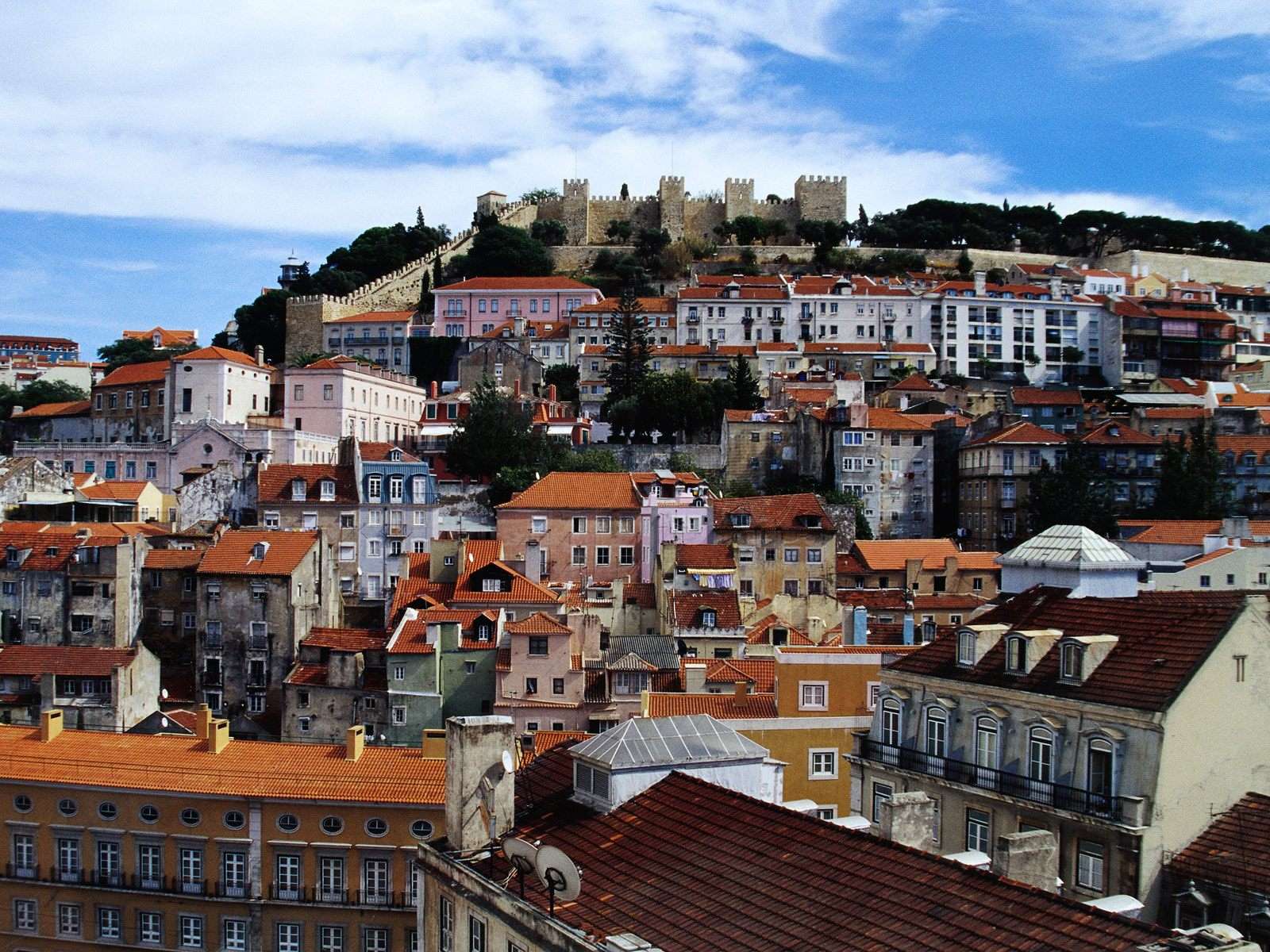
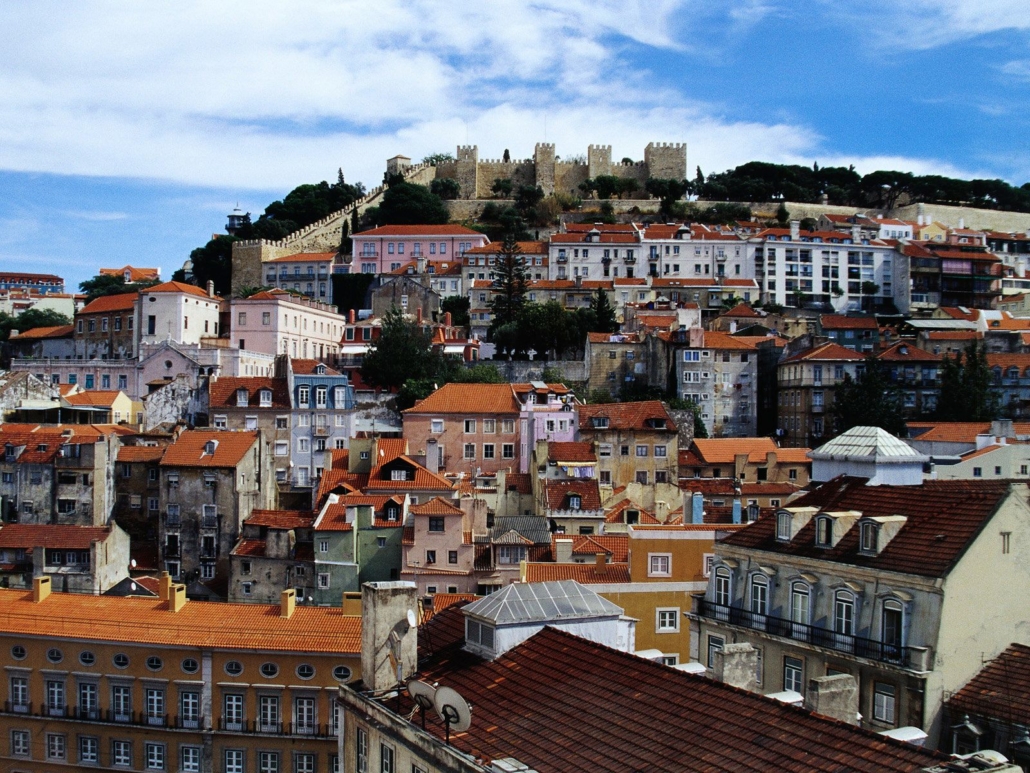
Try some Portuguese Beer in the beautiful Rossio Central Station and finally make a visit to the Moorish St George’s Castle, renamed after the Moors were conquered in the late 14th century.

After taking in the impressive views over the sea, you will venture on down from the castle to the river, crossing the Alfama, Lisbon’s salty sailors’ quarter.   Its tangled street plan is one of the few aspects of Lisbon to survive the big quake, making the Alfama a cobbled playground of Old World color.  Urban-jungle roads are squeezed into a maze of confusing alleys, designed to frustrate invaders on their quest to get to the castle.  What was defensive then is atmospheric now.  Gnarled houses snuggle together in their romantic shabbiness; the air drips with laundry and the smell of clams and raw fish fill the air.You will pass by some interesting wine shops on your journey where arrangements have been made for you to taste not only the very special famous ports from Douro, but also Portuguese wines, such as Vinho Verde de Minho (the famous green wine of Minho).

Port Wine, Portugal


Our Gourmet and Historic Tour of Lisbon features in many of our Portuguese tours.  Join us in Lisbon as part of your Private Food, Wine and Cultural Tour of Portugal, as a combination with Spain or as a Luxury Shore Excursion. 


You may also like to read  “If Lisbon had a Sister ……”

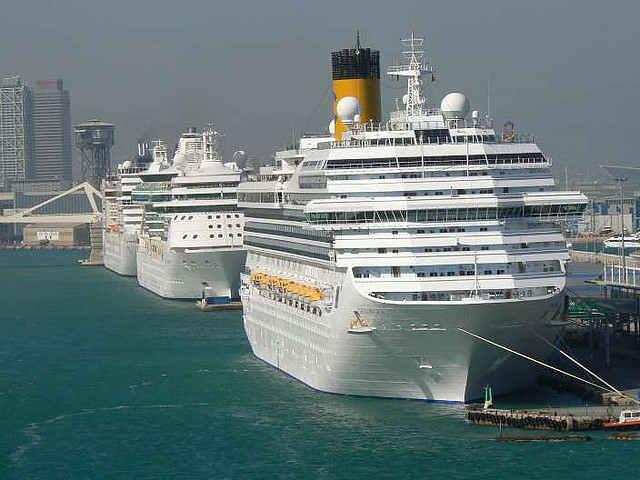
Cruise ships are, today, bigger and better than before, so it’s no surprise that cruise vacations are more popular than ever!  Whether your cruise vacation in Europe is with MSC, Royal Caribbean, Celebrity, Crystal or Costa Cruises, the chances are you’ll be docking in Spain and/or Portugal!  Make the most of your free time in port with a Luxury Private Offshore Excursion!

Port of Barcelona

Whether you’re meeting your cruise ship in Lisbon and want to spend a few days, pre-cruise, before setting sail, in the Portuguese capital, or you’ve got 10 hours to kill in Cadiz, Malaga or Barcelona and want to stretch your sea legs on land, we’ve got a luxury private shore excursion for you!

Our excellent officially licensed guide and/or chauffeur will meet you off your Mediterranean cruise ship and take you on a private guided tour to discover the best of your European port destination.

Make the most of your limited time in port by visiting historical and cultural sites and immerse yourself in the local life with gourmet food and wine tastings.  Here’s a few ideas for some private luxury offshore excursions in Spain and Portugal:

Barcelona Port, no 4 worldwide, is Europe and the Mediterranean’s leading cruise port  with 2.6 million passengers embarking or disembarking in 2013.

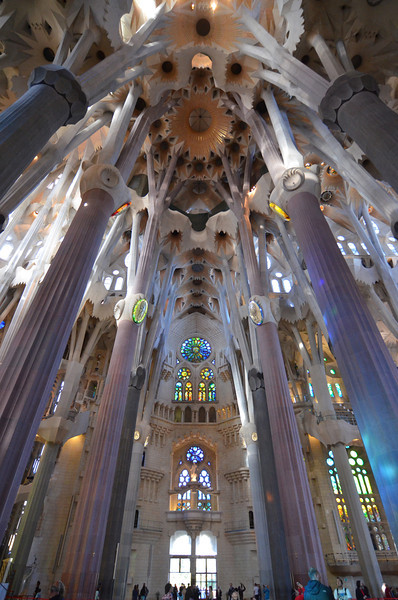
In Barcelona, on your luxury private shore excursion, you can marvel at Gaudi’s inspiring architecture or feast on delicious tapas in a shaded pavement cafe; explore the city’s many churches and cathedrals or hit the shops for a shot of Catalan style. With our excellent officially licensed guide beat the queues to savor the wild and wonderful cathedral, Sagrada Família, Gaudi’s unfinished symphony, discover La Boqueria Market, explore the Gothic Quarter and indulge in Gourmet Tastings e-route before a delicious delicatessen lunch.


Malaga Port, on the Costa del Sol receives around 900,000 passengers who dock in or embark on cruises in Picasso’s city each year.

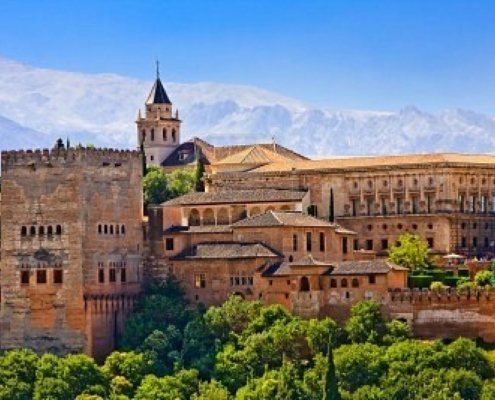
In Málaga, on your luxury private shore excursion, you can visit nearby Granada to see the world-famous Alhambra Palace, a masterpiece of Moorish art.  Learn about this fascinating city with our officially licensed guide who will take you through Grand Granada on a private tour.


Cadiz Port, gateway to the South of Spain, received a total of just over 370,000 passengers in 2013 on cruise liners and regular shipping lines (to/from the Canary Isles).

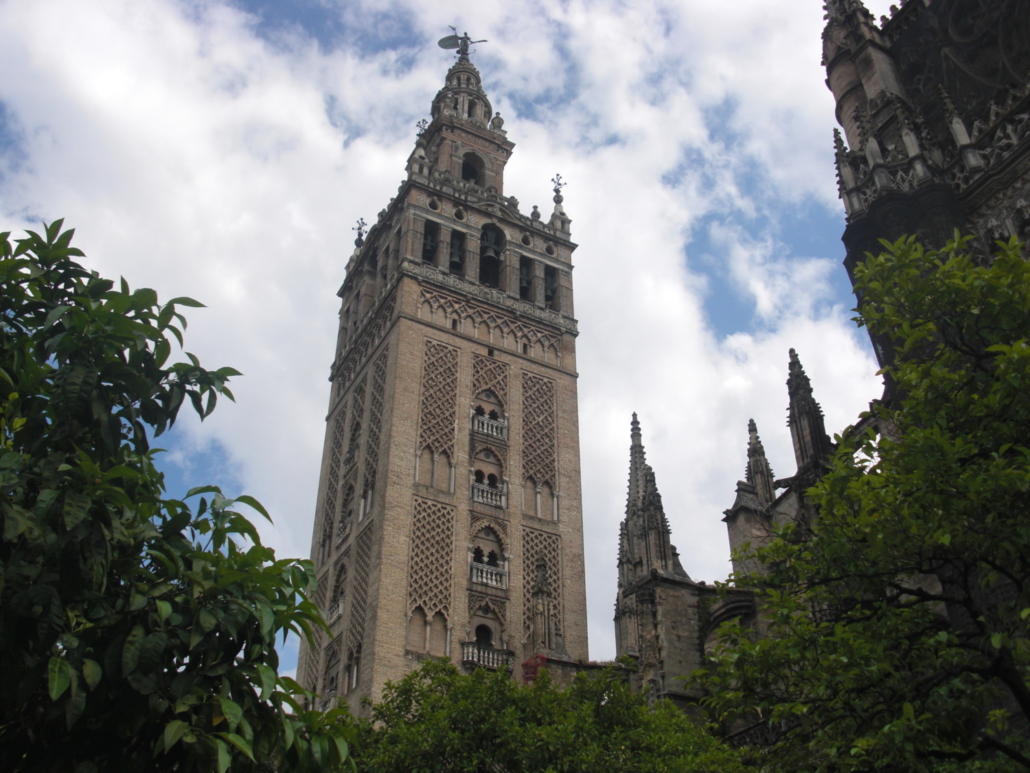
In Cadiz, on your luxury private shore excursion,  you can visit Seville,  a beautiful area with a wonderfully joyous atmosphere, where flamenco, bullfighting and fiesta are a way of life. Explore the old city to admire the Cathedral and Giralda Tower, the orange scented Barrio de Sant Cruz and do as the locals and enjoy a fun tapas hopping lunch.


Lisbon Port is the departure port for many European cruise itineraries, with over 250,000 cruise passengers passing through the Portuguese capital each year.

Lap up the Portuguese life in Lisbon, on your luxury private shore excursion,  with a great private tour of the history, sights, food and wine of Portugal’s capital city.  Hear of the terrible earthquake in 1755 that brought the city to its knees and how if Lisbon had a sister it would be San Francisco.  Visit the fantastic St Georges’ castle and the salty sefarers district of Alfama, indulge in Portuguese and try the famous Port Wine.

If you are planning a cruise in Europe around Spain and/or Portugal why not see if you can squeeze the most out of your day in dock  by joining us for your day shore excursion to Lisbon, Barcelona, Seville or Granada .  Our local officially licensed guides are true experts who, love to show off their cities and, promise to take you off the beaten track to see a different side of these enchanting cities.

Alternatively, if you have a few days free pre-cruise, before embarking on your cruise, or after desembarking, after your cruise, make the most of the city with a private short break such as our Lisbon Getaway Tour or our Barcelona Food and Wine Tour.

  • Porto is Portugal’s second largest city, after Lisbon, and is an important Atlantic port.
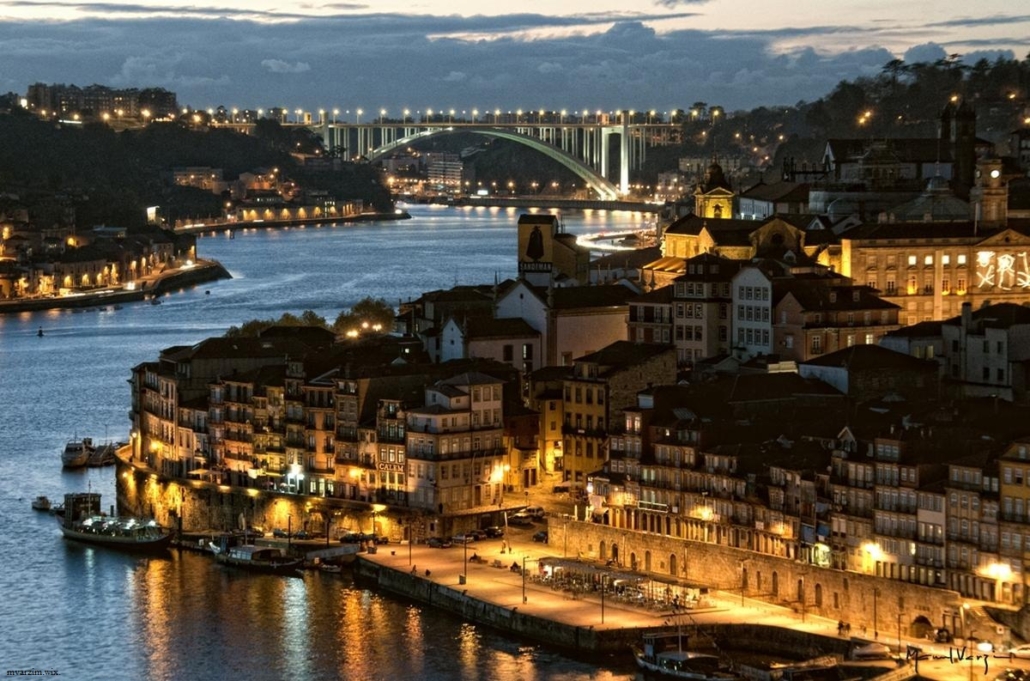
  • Porto is located in Northern Portugal on the Douro river estuary and follows the river up until it reaches the Atlantic Ocean.
  • Porto is approximately a 320km drive from Lisbon.
  • The Country Dialing Code is 00 351 and Porto’s Area Code is 22.
  • In Portuguese the name of the city is spelled “o Porto (with a definite article) which translates into English as ‘the port’.
  • The English name of the city  – Oporto – evolved from a misinterpretation of the Portuguese oral pronunciation.
  • The Latin name for Porto is Portus Cale from which the country, Portugal, takes its name.
  • Porto’s most famous export is Port Wine, to which the city gives its name. Although, most Port wine that is exported from Portugal is exported from Vila Nova de Gaia, in the Greater Porto area which is actually across the river from Porto.
  • Cork, fruits, olive oil, and building materials are also exported.
  • Porto is one of the oldest European cities, and was registered as a World Heritage Site by UNESCO in 1996, for its historic buildings and outstanding monuments.
  • The first evidence of settlers in Porto emerged at the end of the Bronze Age, in the 8th century B.C., situated near the present Morro da Sé. This ancient village is known as Cividade, but any traces left of this area were demolished in 1940.
  • One of the most traditional dishes of Porto is the ‘Tripas à Moda do Porto”. In the 15th century, the people of Porto gave a great quantity of meat to the military forces, keeping only tripe (tripas) for themselves. This is the reason why the people of Porto are called ‘Tripeiros’
  • In 1958 and 1960, Porto’s streets hosted the Formula One Portuguese Grand Prix on the Boavista street circuit.
  • In 1807 Porto suffered a violent invasion by Napoleon’s troops but, with the help of the British, the city banished the general. In 1809 Napoleon invaded Porto again and during these invasions the terrible Bridge of Barques disaster took place, resulting in the loss of hundreds of panic-stricken people, trying to escape from French soldiers, and drowning in the Douro.
  • The most striking landmark of Porto is the Torre dos Clérigos (1754-1763), a baroque tower.
  • Other highlights of Porto include the formidable 12th century Sé cathedral, the two-storied Dom Luis Bridge (1881-1887), the Crystal Palace (1865), the Serralves Museum of Contempory Art (1999) Serralves Museum of Contemporary Art (1999) and the prominent Port wine lodges dominating the hillside of Vila Nova de Gaia.


More about Portugal: Some fascinating facts about Portugal

Visit Porto and Portugal on one of our private Portuguese Culture, Food and Wine Tours to see the wonderful historic treasures and fascinating culture of this country, taste port wine, local foods and much, much more!

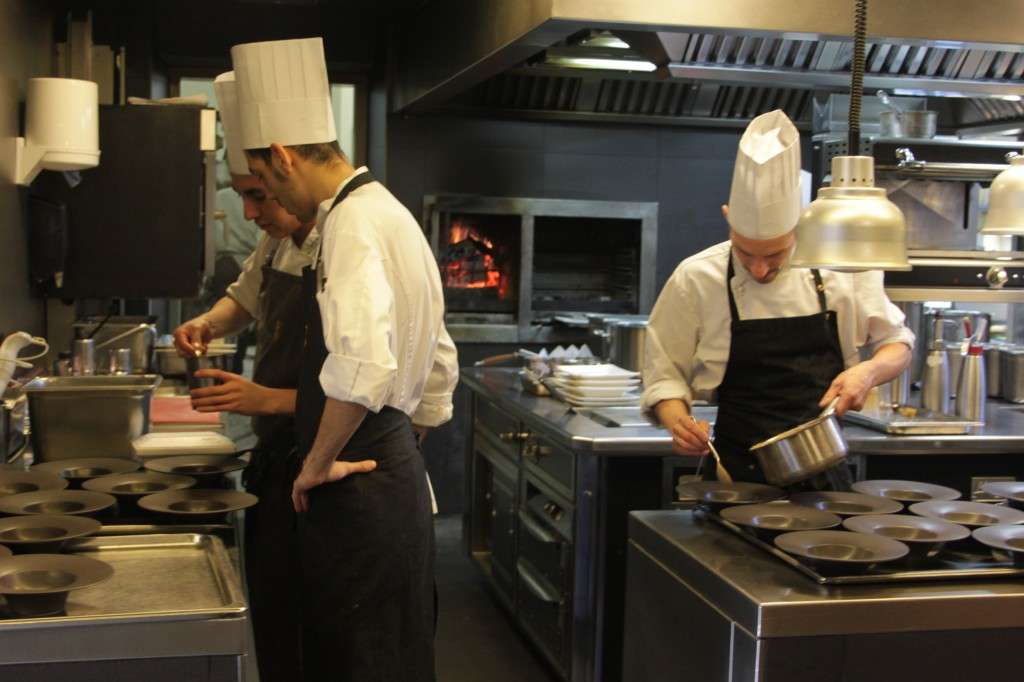
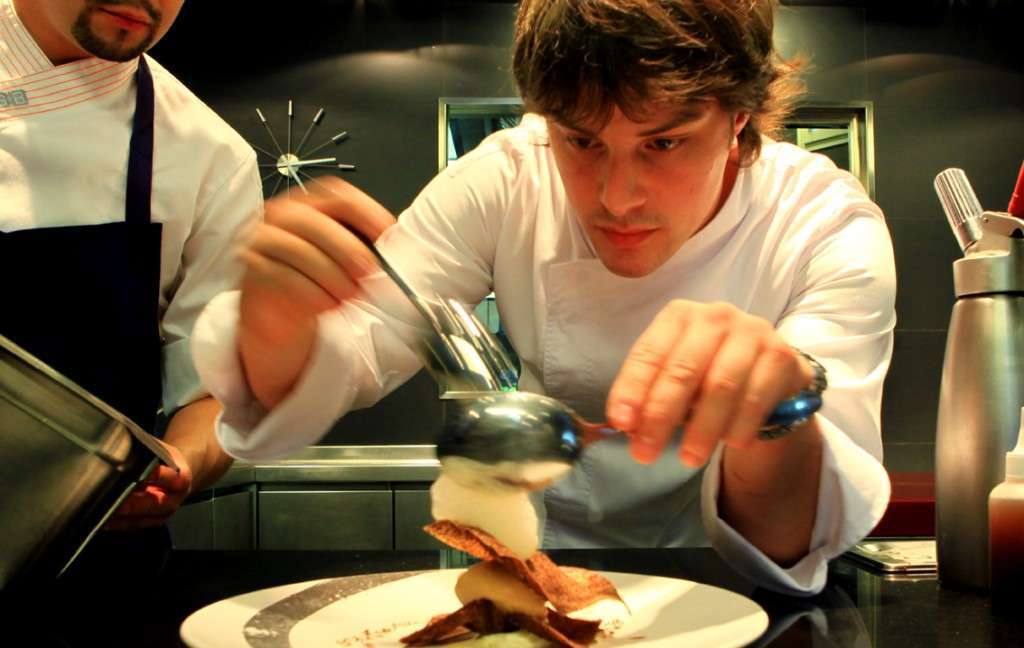
World’s Number 2 restaurant (last years Nº1), and Michelin 3 starred, El Celler de Can Roca, Girona, Spain will be closing it’s doors this summer 2014!  But not to worry, it’s only for 5 weeks as the Roca Brothers head West to the US.

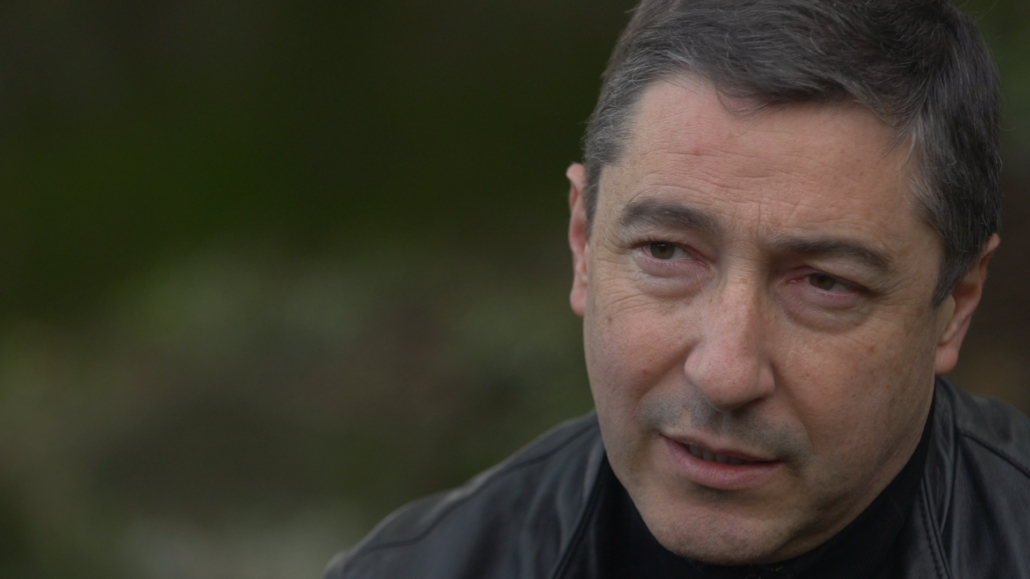
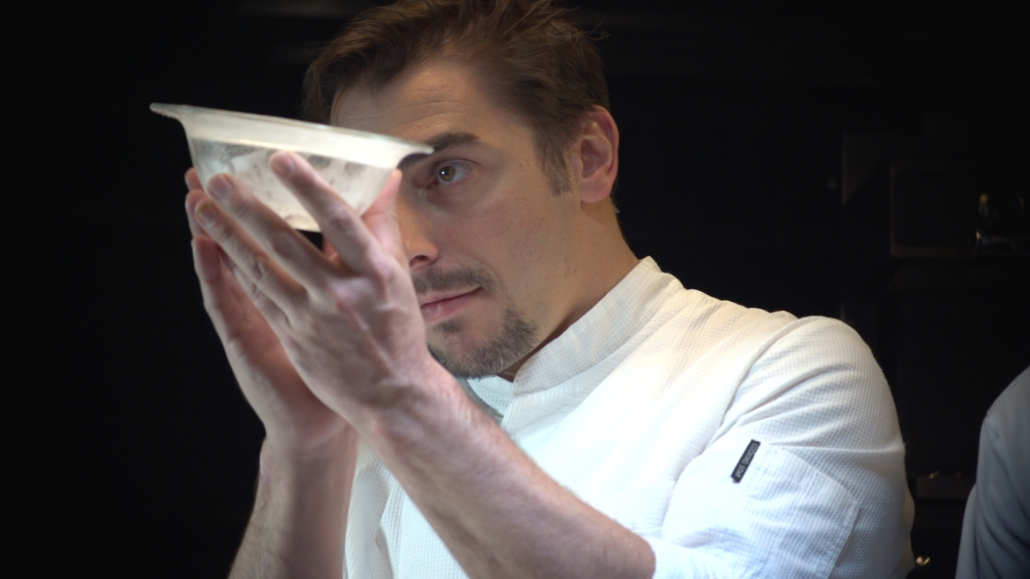
Can we expect to see Joan, Josep and Jordi in cowboy boots and stetsons? Maybe, as after all the Roca brothers are hitting Texas!  El Celler de Can Roca is run by head chef Joan, sommelier Josep, and pastry chef Jordi, who was recently awarded the coveted title of World’s Best Pastry Chef 2014.    The tour is a fantastic opportunity for other parts of the World to experience the sublime dining offered in Girona, Spain, all year round.  All three brothers, along with 20 members of their staff will be recreating their Girona based restaurant in Houston and Dallas before heading South to Colombia, Mexico and Peru.

The tour is being sponsored by Spanish financial services group BBVA who  are transporting the soul of El Celler de Can Roca to the US to be recreated for clients of BBVA Compass, BBVA Group’s U.S. franchise.

A “somni” (dream) come true for many of our Gourmand Breaks clients and El Celler de Can Roca fans in Texas – “Bon profit” as the Catalans say!

Spain is a big country enjoying diverse cuisine, culture and scenery. From North to South, with a fantastic climate, fresh local produce is grown on the land and great wine is lovingly made from the vines. It’s no surprise, therefore, that with Good Food and Fine Wine Superchefs abound here! Love Food? Love Wine? Love Spain!

With the recent publication of the World’s Best 100 Restaurants for 2014, Spain is home to 10% of the acclaimed list.  But, that’s not all!  When the Michelin Stars Awards for 2014 were announced, Spain was left sparkling with 8 Michelin 3* Restaurants, 17 Michelin 2* Restaurants and well over a hundred Michelin 1*Restaurants.

If you love Good Food and Fine Wine, what are you waiting for? Spain is the Foodie place to be!

So, with 10% of the World’s Best Restaurants being in Spain, who’s placed where on the prestigious World’s Best 100 Restaurants List?

Nº 2. El Celler de Can Roca. Girona, Spain  Last year’s Nº1 and home to the Best Pastry Chef in the World 2014 – Jordi Roca

Nº 6. Mugaritz. Errenteria, Spain

Nº 8. Arzak. San Sebastián, Spain

Nº 26. Azurmendi. Larrabetzu, Spain Winner of the Sustainable Restaurant Award for 2014

Nº 34. Asador Etxebarri. Atxondo, Spain

Nº 35. Martín Berasategui. Lasarte, Spain

Nº 41. Quique Dacosta. Denia, Spain.

Nº 57. Tickets – Barcelona, Spain 

74. 41 Grados – Barcelona, Spain 

Nº 94. Diverxo – Madrid, Spain 

Celler de Can Roca

And, as for Michelin Star Restaurants in Spain? Take your pick:

The Eight Michelin 3 Star Restaurant Wonders in Spain for 2014 (in alphabetical order) are:

Akelarre. Pedro Subijana (Guipúzcoa)

Arzak. Juan Mari Arzak (Guipúzcoa)

Azurmendi. Eneko Atxa (Vizcaya)

DiverXo. David Muñoz (Madrid)

El Celler de Can Roca. Joan Roca (Girona)

Martín Berasategui (Guipúzcoa)

Quique Dacosta (Alicante)

Sant Pau. Carme Ruscalleda (Barcelona)

Michelin 2 Star Restaurants in Spain for 2014 (in alphabetical order):

Abac. Jordi Cruz (Barcelona)

Atrio. Toño Pérez (Cáceres)

Calima. Dani García (Marbella)

Casa Marcial. Nacho Manzano (Asturias)

El Club Allard. Diego Guerrero (Madrid)

El Portal. Francis Paniego (La Rioja)

Enoteca. Paco Pérez (Barcelona)

La terraza del Casino. Paco Roncero (Madrid)

Lasarte. Martín Berasategui. (Barcelona)

Les Cols. Fina Puigdevall (Girona)

M.B. Martín Berasategui (Santa Cruz de Tenerife)

Miramar. Paco Pérez (Girona)

Moments. Raül Balam (Barcelona)

Mugaritz. Andoni Luis Aduriz (Guipuzcoa)

Ramón Freixa (Madrid)

Santceloni. Óscar Velasco (Madrid)

Sergi Arola Gastro (Madrid)


There are so many Michelin 1* Restaurants in Spain, here is the Complete List


With Spanish Chefs taking the World by storm, now is the time to visit Spain with 10% of the World’s Best Restaurants and numerous Michelin starred Restaurants!  On one of our Private Food, Wine and Cultural Tours you can indulge in the Best Michelin Starred Restaurants in Catalonia, Madrid and The Basque Country.  Contact us for your personalized quote.

  • Lisbon is the Capital City of Portugal.
  • Lisbon is situated on the north bank of the estuary of the Tagus (Tejo) River.
  • The Country Dialing Code is 00 351 and Lisbon’s Area Code is 21.
  • The Moorish castle, now called São Jorge (St. George) was built in honor of the English alliance of 1386.
  • The Vasco da Gama Bridge in Lisbon is 10.5 miles (17 kilometers) long, making it the longest bridge in Europe.
  • The world record for the largest dining table was set when some 15,000 people were served lunch on the Vasco da Gama bridge as part of the inauguration celebrations. Construction began in 1995 and the bridge was opened to traffic in 1998, in time for Expo 98.
  • The Tagus is Iberia’s largest river and its estuary at Lisbon, which is up to 14km wide, is thought to be big enough to hold all the warships in the world.
  • Lisbon was struck by an immense earthquake (approx.  9.0 magnitude) on the 1st of November, 1755.  It was followed by a tsunami and fires that brought the city to rubble! The tremors were felt as far away as Scotland and Norway!
  • The Alfama area of Lisbon is the city’s oldest district and was the only area of Lisbon to survive, relatively unscathed, in the 1755 quake.
  • Fado (fate in Portuguese) is a music genre that originates in urban Lisbon. It’s a type of mournful and heart-touching folk music sung by the common people. The music genre was recently added to the World’s Intangible Cultural Heritage list.
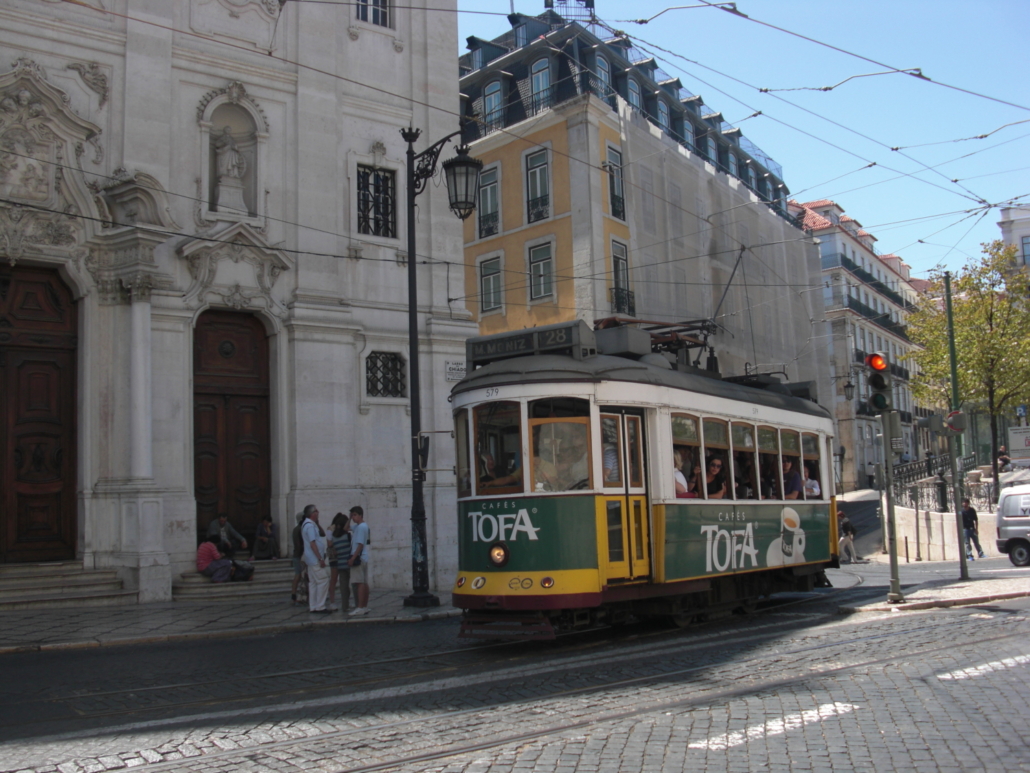
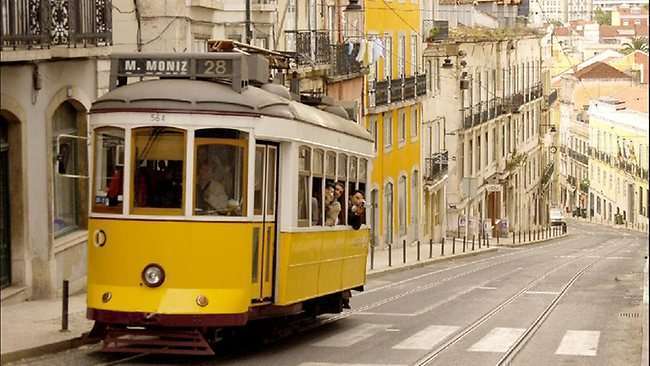
  • Lisbon’s trams were originally called “americanos” and the first operational route was inaugurated on 17th November 1873.
  • Lisbon is also known as “the town of seven hills” which are comprised of the seven hills: Castelo, Graca, Monte, Penha de Franca, S.Pedro de Alcantara, Santa Catarina and Estrela.
  • ‘Sport Lisboa e Benfica’ or simply, Benfica, holds the Guinness World record, since 2006, for the most widely supported football club in the World.
  • The Santa Engrácia church is in the Guinness Book of Records for being the church that took the longest time to construct:  started in the 17th century, the last dome was completed  in 1966.


 More about Portugal: Some fascinating facts about Portugal

Visit Lisbon and Portugal on one of our private Portuguese Culture, Food and Wine Tours to see the wonderful historic treasures and fascinating culture of this country, taste port wine, local foods and much, much more!

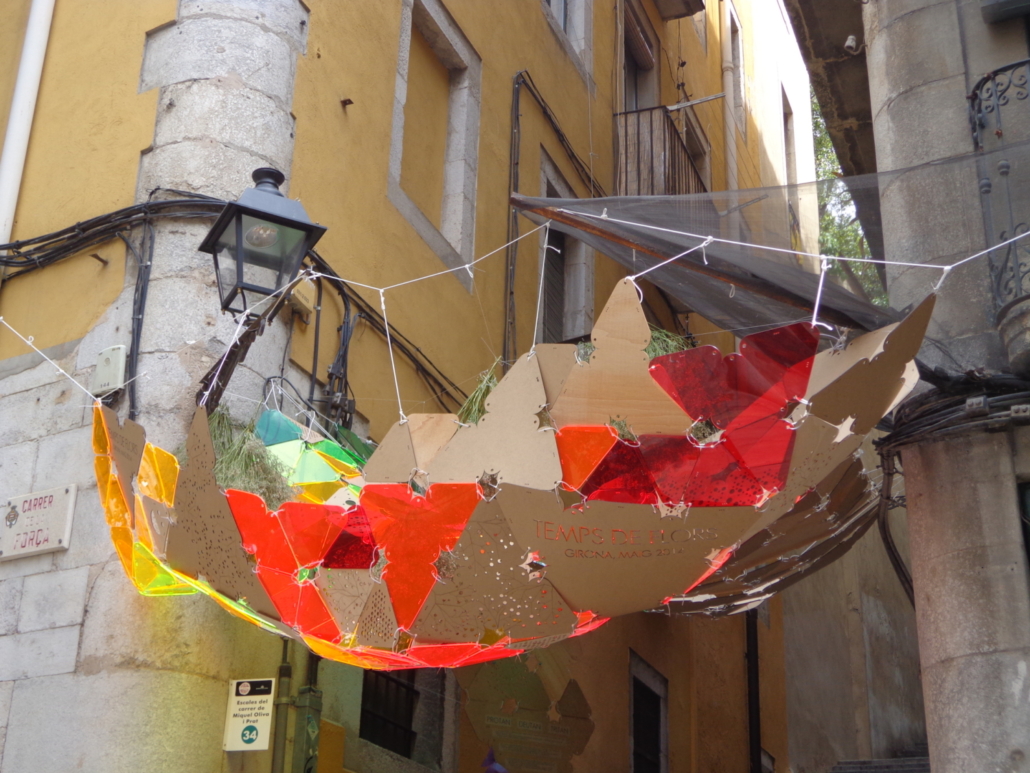
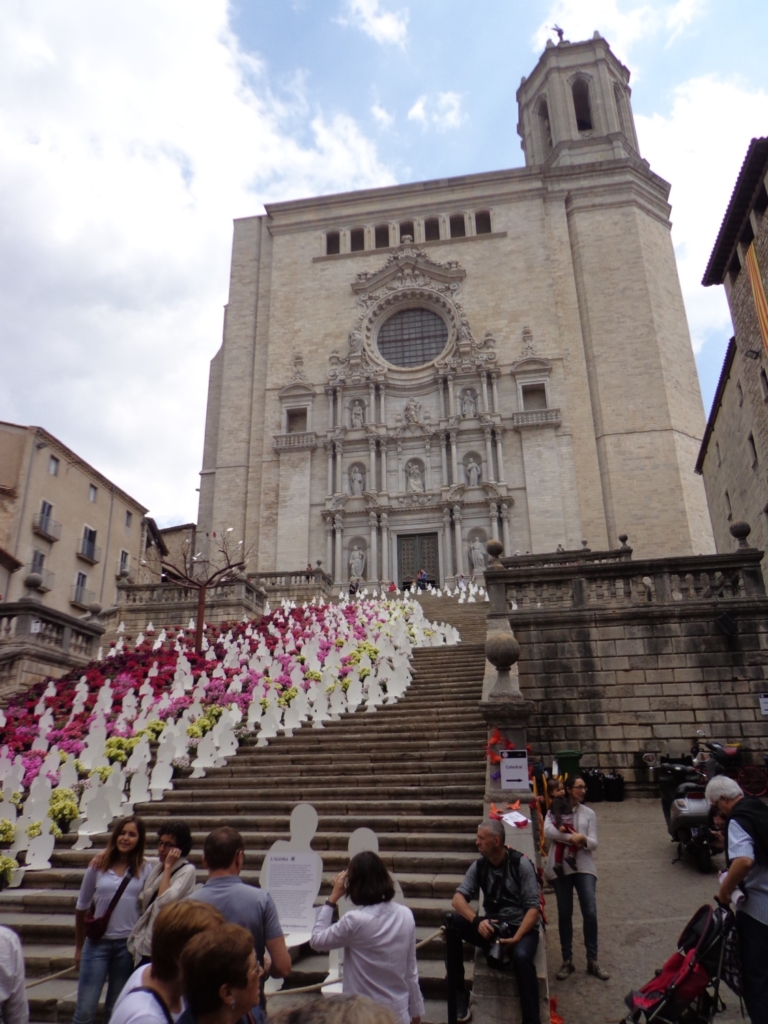
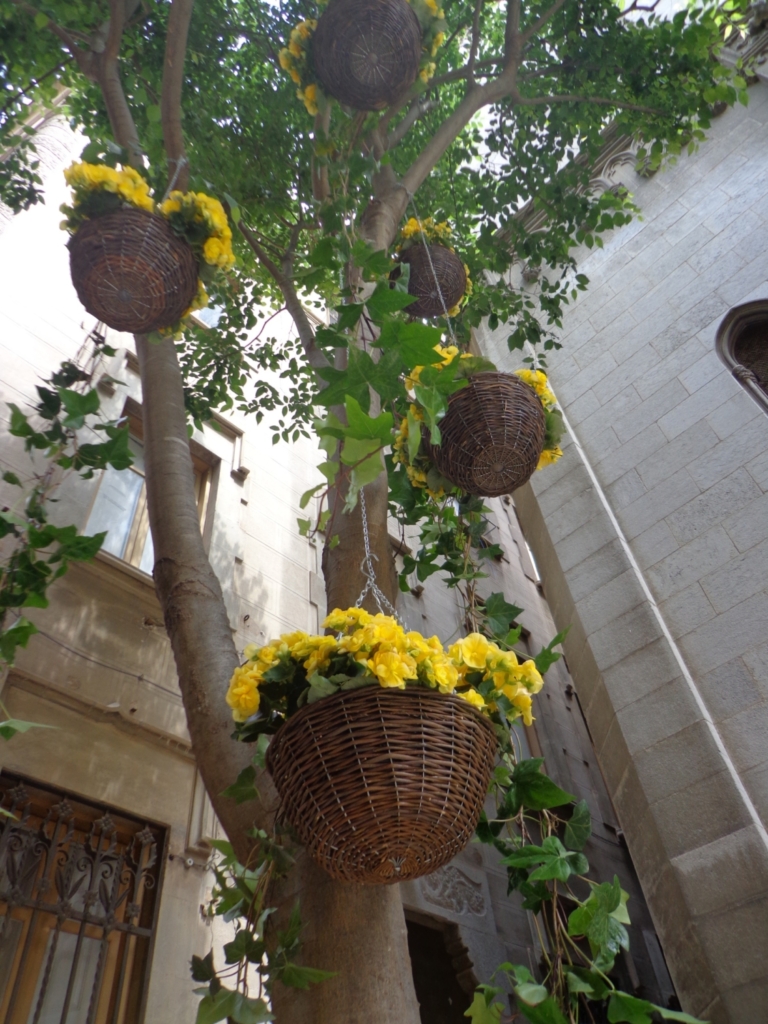
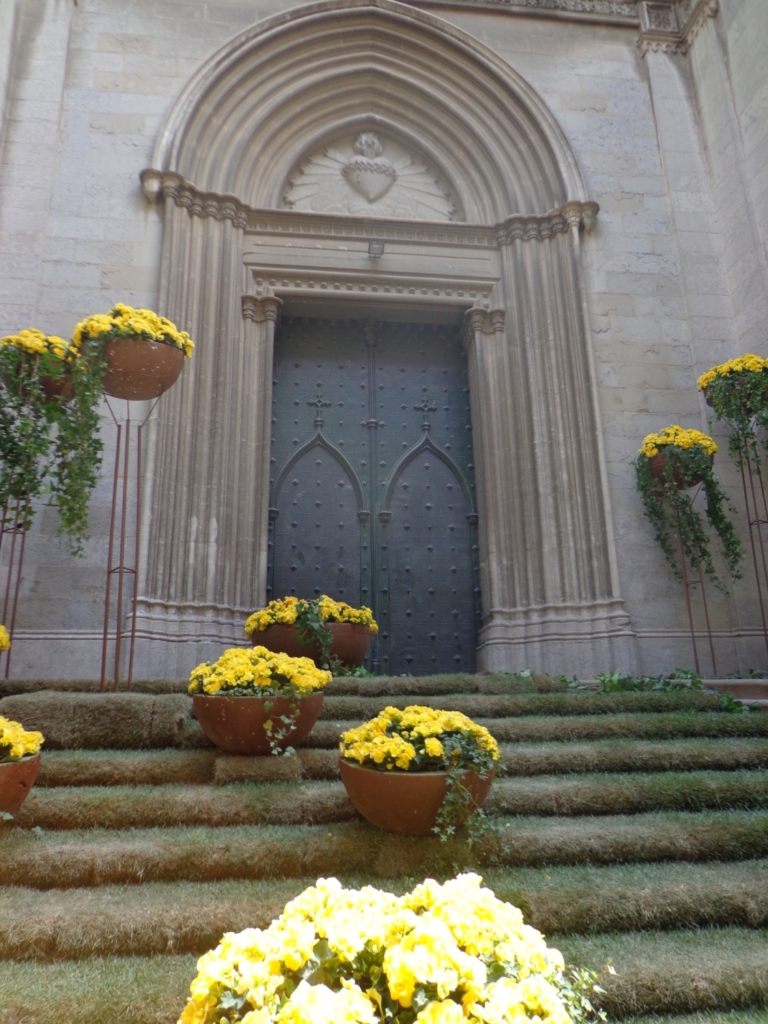
Girona, Spain, is in bloom this week as Flower Power hits the city! 

The 59th edition of “Temps de Flors” opened last Saturday in Girona, Spain.  All this week thousands of visitors are expected to flock to Girona to view the beautiful array of street ornamentation, vibrant monuments and decorative patios following one theme – Flowers!  We’re not going to give too much away but here’s a glimpse of some of the colorful dislays to be enjoyed at the Girona Flower Festival this year – through to May 18th 2014.


If you’re in Girona this week take the time to stroll through the Flower Festival.  Here’s a map,  via the ‘Ajuntament de Girona’ (the town council), to guide you through the many arrangements that you can see in Girona:  http://www.gironatempsdeflors.net/docs/planol_tempsdeflors_2014.pdf

The month of May brings the Flower Festival to Girona but  anytime of year is great to visit this Little City with a Big Heart.  Join us on a Food, Wine and Cultural Tour like the Ultimate Gourmet Tour which icludes a private guided tour in Girona and much more!